
Outdoor Kitchen Installation in Northeast Florida

Outdoor Kitchen Installation in Northeast Florida: What Homeowners Need to Know Before They Build
Northeast Florida is one of the best places in the country to cook outside. Between St. Augustine and Ponte Vedra Beach, homeowners are spending more evenings outdoors than inside — and a well-planned outdoor kitchen makes that possible year-round, not just in perfect weather. But an outdoor kitchen is one of the most complex projects you can add to a backyard. Done right, it becomes the centerpiece of your outdoor living space. Done wrong, it rusts, cracks, traps water, and becomes an expensive eyesore within a few years.


At Outdoor Transformations, we've built outdoor kitchens across St. Johns County — from backyard builds in Nocatee and Palencia to full outdoor living spaces in World Golf Village and St. Johns. Here's what we tell every homeowner before the first measurement gets taken.


What Does an Outdoor Kitchen Installation Actually Include?

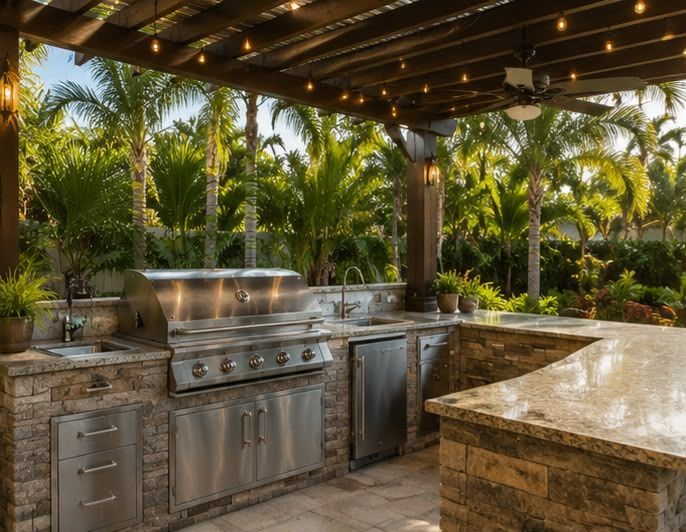
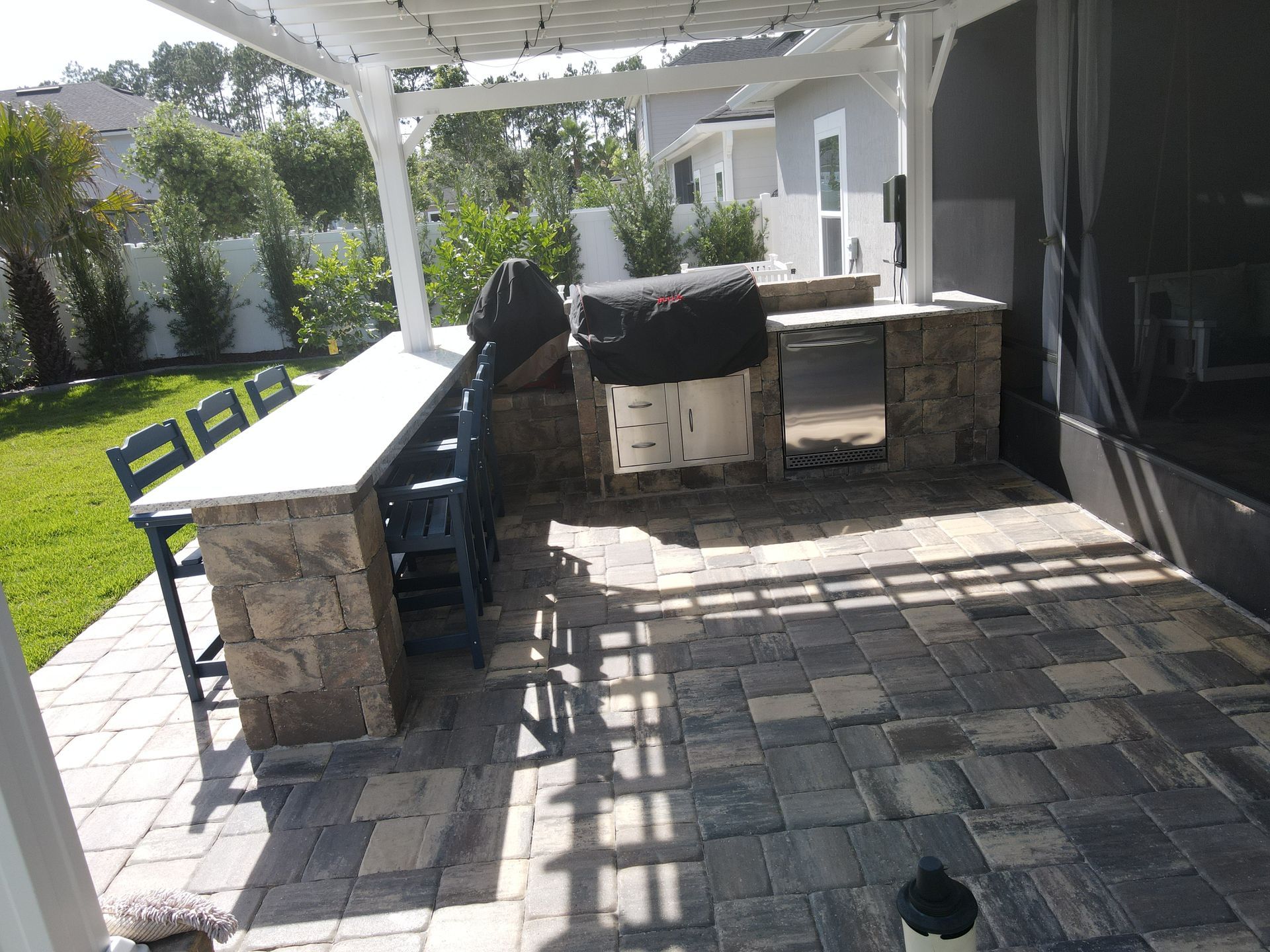
An outdoor kitchen is more than a grill on a pad. A full build typically includes a structural frame (masonry block or steel stud), countertop surfaces, a built-in grill, storage, and finish materials on the exterior. From there, homeowners add components based on use and budget: side burners, refrigerators, sinks, pizza ovens, bars, and pergola or shade structures overhead.

The paver patio or concrete slab underneath is a separate scope — but it's one we handle as part of the same project. Integrating the patio and kitchen in a single design phase avoids the common mistake of building a kitchen that doesn't sit or drain properly on its base surface.


Why Florida's Climate Changes Everything

Outdoor kitchens built for the Midwest or Pacific Northwest don't hold up here. Northeast Florida throws salt air, high humidity, intense UV exposure, and serious rain events at everything outdoors. The wrong materials fail fast:

Standard drywall-style frames rot; masonry block or pressure-treated steel framing is required


Tile grout absorbs moisture and cracks under Florida's heat cycling


Stainless steel grades matter — 304-grade rusts near salt air; 316-grade holds


Unsealed countertops absorb mildew and stain permanently in high-humidity conditions


Exposed wood elements require specific species and annual treatment to survive coastal conditions


In Vilano Beach, St. Augustine Beach, and Anastasia Island — anywhere near the coast — these material decisions aren't optional. We spec every build for Florida's specific conditions, not a generic national standard.


Layout Planning: How to Think About the Space

The most common outdoor kitchen mistake is sizing for the grill instead of sizing for how you actually use the space. A functional outdoor kitchen needs work triangle logic just like an indoor kitchen — prep space, cooking zone, and serving/storage all need to be within reach of each other without forcing the cook to turn away from guests.

Key layout questions to answer before you build:


Where does the prevailing wind come from — smoke direction matters for seating placement


How much shade does the space get midday in July? Shade structures aren't optional at that latitude


Where are the gas line and electrical runs going? Running them after the fact is significantly more expensive


Does the patio slope allow water to drain away from the kitchen base?


How will the kitchen connect visually and functionally to the interior of the home?


What to Ask Before You Sign a Contract

What is the frame material — masonry block, steel stud, or wood? Why that choice for this site?


What grade of stainless steel are the appliances and hardware?


Is the countertop material rated for exterior use in high-humidity environments?


Does the quote include gas line rough-in and electrical, or are those separate?


Is the base patio or slab included, or is that a separate contract?


What's the drainage plan for the countertop and surrounding surface?


Is a permit required for gas and electrical work, and who pulls it?


What Budget Range Should You Plan For?

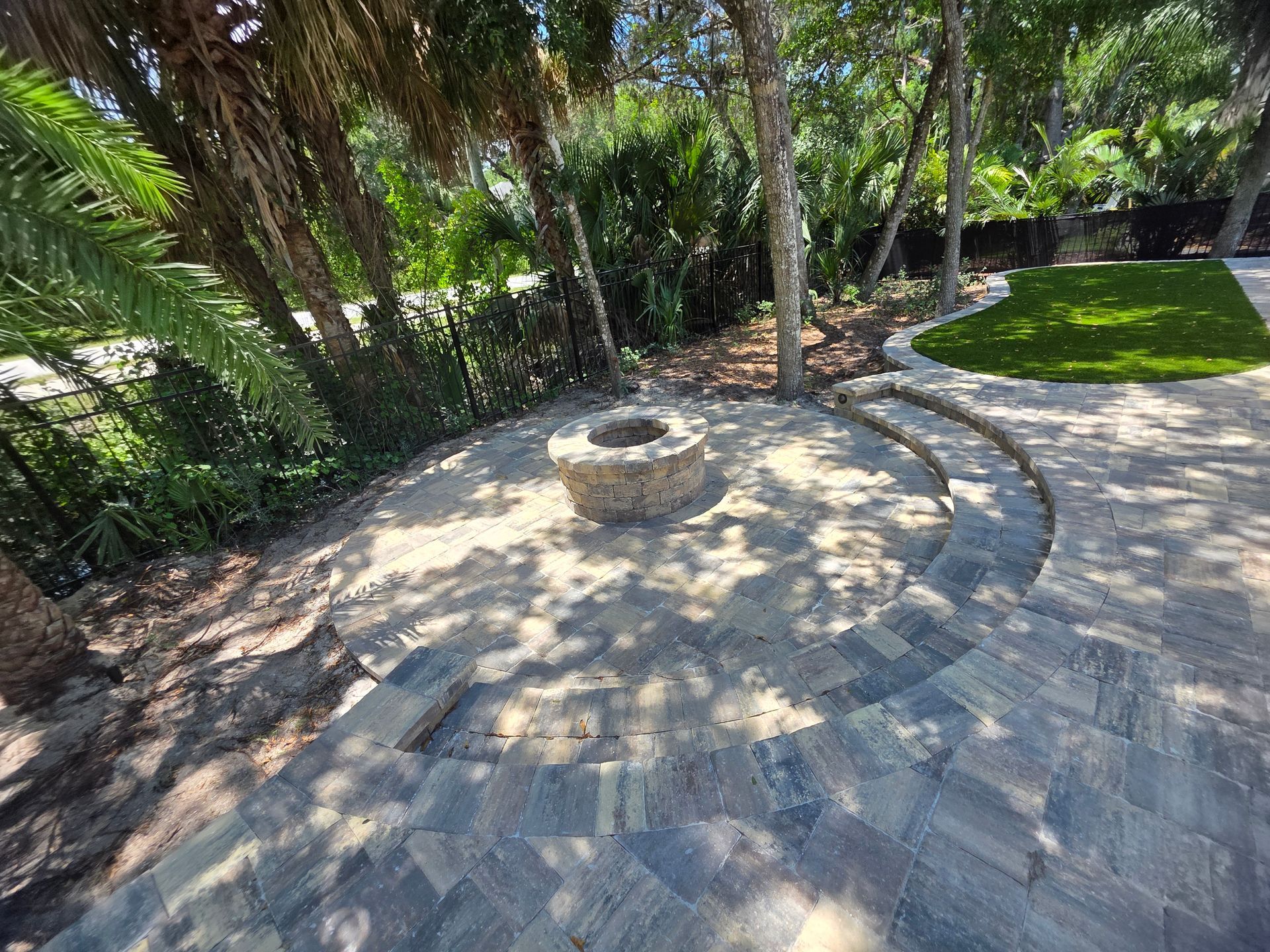
Outdoor kitchen costs vary significantly based on size, materials, and appliances. The landscaping and outdoor living installations we build in St. Augustine and Northeast Florida range from $5,000 on the low end for basic configurations to $50,000+ for full outdoor living builds with premium materials, shade structures, fire features, and complete patio integration. Fire pits and seating areas added alongside a kitchen typically run $3,000–$7,500+ depending on scope.

The honest answer is that a well-built outdoor kitchen — properly framed, properly specced for Florida's climate, with quality appliances — is a meaningful investment. We'd rather give you a real number upfront than sell you something that fails in three years.


How Outdoor Transformations Approaches Outdoor Kitchen Builds

We handle outdoor kitchens as part of a complete outdoor living build — which means the kitchen, the paver patio it sits on, the outdoor lighting, and any fire features or shade structures are all designed together and installed under one contract. That matters in Northeast Florida because the integration points — drainage, slope, utility runs, material transitions — are where single-trade contractors create problems for each other.


Chris Gobeli runs every project with the attention to detail you'd expect from a Marine Corps veteran. In Mandarin, Jacksonville Beach, Palm Coast, and throughout St. Johns County, we've built outdoor kitchens that hold up to Florida's climate and still look exactly right five years later. That doesn't happen by accident — it comes from speccing correctly from the start and not cutting corners on framing or materials when no one's looking.


Get a Free Estimate for Your Outdoor Kitchen in St. Augustine

Ready to start planning? We offer free on-site consultations throughout Northeast Florida. Give Chris a call at (904) 896-6928 or visit youroutdoortransformation.com to schedule your estimate. We'll walk your space, talk through layout and material options, and give you a clear picture of what the right build looks like for your property — pressure, no surprises.
September 23, 2026
It's one of the most common questions we get from St. Augustine homeowners planning a driveway, patio, or pool deck project: pavers or concrete? Both are solid choices, but they perform differently in Florida's climate, and the right answer depends on what matters most to you — upfront cost, long-term maintenance, or how the surface looks over time. There's no universally correct answer here, which is part of why the debate keeps coming up. What changes the calculus for most homeowners is understanding how each material actually behaves over 10, 15, or 20 years in a Florida yard — not just how it looks on install day. Upfront Cost Poured concrete is typically the more affordable option upfront, especially for large, simple surfaces like a straight driveway. Pavers cost more initially due to material and labor-intensive installation, though the gap narrows with decorative concrete finishes like stamping or staining. It's worth noting that the initial cost gap doesn't tell the whole financial story. Concrete's lower upfront price can be offset over time by repair and resurfacing costs that pavers largely avoid, which is why we encourage clients to think in terms of total cost of ownership rather than just the installation invoice. Long-Term Durability in Florida's Climate This is where pavers often pull ahead. Concrete is a single continuous slab, which means it cracks as one piece when the ground shifts — and Florida's sandy soil, heavy seasonal rain, and occasional freeze events all create that kind of movement over time. Pavers are individual units set on a compacted base, so they flex slightly with ground movement rather than cracking outright. Humidity and rain also affect the two materials differently. Concrete can develop surface staining, efflorescence, or mildew growth in Florida's wet, humid conditions, especially in shaded areas. Pavers, particularly with a quality sealer, tend to resist staining better and are easier to spot-clean without leaving a visible patch. Repair and Maintenance This is the biggest practical difference. If a section of concrete cracks or stains, repairing it usually means patching or resurfacing a visible section that rarely blends perfectly with the surrounding slab. With pavers , a damaged unit can be individually removed and replaced without disturbing anything around it — a repair that's both cheaper and far less noticeable. This matters more in Florida than in drier climates, since tree roots, irrigation runoff, and heavy rain events all increase the odds of needing a repair at some point over a surface's lifespan. Knowing the repair will be clean and localized rather than a visible patch job is a real factor in the decision for a lot of our clients. Design Flexibility Concrete can be stamped, stained, or scored for a decorative look, but pavers offer a wider native range of colors, shapes, and patterns without needing additional finishing work. For homeowners wanting a distinctive look — herringbone patterns, mixed materials, or a natural stone appearance — pavers typically deliver more design options straight out of the box. Heat and Comfort Underfoot Around pools and patios especially, surface temperature matters. Standard concrete and dark-colored pavers can get uncomfortably hot underfoot in direct Florida sun. Lighter-colored pavers and certain natural stone options like travertine stay noticeably cooler, which is worth factoring in for any surface near a pool deck. Which One Fits Your Project If budget is the primary driver and you're covering a large, simple area, concrete is often the practical choice. If long-term durability, easier repairs, and design flexibility matter more, pavers tend to be the better investment over the life of the surface — particularly for driveways and patios that will see years of Florida sun and rain. Get a Recommendation for Your Property  Outdoor Transformations installs both pavers and concrete across St. Augustine and St. Johns County, and we'll walk you through which fits your project and budget. Call (904) 896-6928 or request a complimentary quote .
September 14, 2026
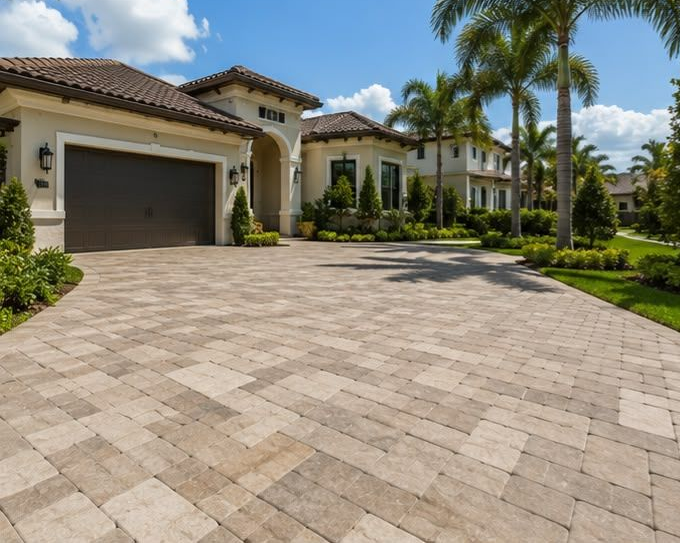
Atlantic Beach homeowners weighing a paver driveway usually have the same two questions: what's this actually going to cost, and what does the process look like start to finish. Both answers depend on a handful of factors specific to coastal Northeast Florida, not just square footage. A driveway is one of the first things anyone sees when they pull up to your home, and it's also one of the hardest-working surfaces on your property — daily vehicle weight, sun exposure, and in Atlantic Beach's case, salt air off the coast. Getting the material, base, and installation right the first time saves a lot of headaches down the road. What Actually Drives the Cost Material choice is the biggest variable. Our paver driveway installations use everything from standard concrete pavers to premium options like travertine, brick, and cobblestone, and the price spread between those is significant. Beyond material, the existing site condition matters — removing old concrete or asphalt, correcting drainage, and the total square footage all factor into the final number more than most homeowners expect going in. Other cost factors that often get overlooked: the complexity of the layout (a driveway with curves, multiple angles, or a circular turnaround costs more to cut and lay than a straight rectangle), how much excavation and grading the site needs before base work can even begin, and whether the project includes additional features like a paver apron connecting to the garage or a decorative border in a contrasting material. Why Atlantic Beach Sites Need Extra Planning Being this close to the coast changes a few things about the installation. Sandy, well-draining soil is actually an advantage for paver base preparation compared to heavier inland clay soils, but salt air exposure means material selection matters more — some paver finishes and sealers hold up to coastal conditions better than others over the long run. Drainage is another Atlantic Beach-specific consideration. Coastal properties often sit at a lower elevation relative to groundwater, and heavy seasonal rain events common to Northeast Florida summers mean a driveway needs proper slope and base drainage built in from the start, not added as an afterthought once water starts pooling. The Installation Process, Step by Step A typical paver driveway project starts with excavation to the proper depth, followed by a compacted base layer — usually crushed limestone or similar aggregate — that does the real structural work of supporting vehicle weight. A layer of bedding sand goes down next, then the pavers are set in the chosen pattern, cut to fit the edges, and compacted into place with a plate compactor. Polymeric sand is swept into the joints to lock everything together and resist weed growth, and edge restraints are installed to keep the whole system from shifting over time. Before any of that happens, though, a proper assessment walks the site to check existing grade, drainage flow, and whether old concrete or asphalt needs to be removed first. This step determines a lot about the final cost and timeline, which is why we don't quote a driveway project sight unseen. Choosing a Pattern and Material for a Driveway Not every pattern that looks good on a patio performs well on a driveway. Herringbone is generally considered the strongest interlocking pattern for vehicle traffic because the angled placement resists shifting in multiple directions at once — something a straight running-bond pattern can't do as effectively under the lateral force of tires turning in and out of a garage. Timeline Expectations Most residential driveway installations take a matter of days rather than weeks once work begins, though weather and site conditions can shift that. Unlike a concrete pour, there's no curing period before the driveway can be used — pavers are ready for vehicle traffic almost immediately after installation and compaction. This is one of the more underrated advantages of pavers versus concrete for homeowners who don't want to plan around a multi-day cure window. Maintaining a Paver Driveway Long-Term Once installed, a paver driveway is relatively low-maintenance, but a few habits extend its life significantly. Resealing every few years protects against UV fading and helps the joint sand resist washout during heavy rain. Addressing any individual settled or shifted pavers early — rather than waiting — prevents a small issue from spreading to neighboring pavers over time.  Get a Quote for Your Atlantic Beach Driveway Outdoor Transformations installs paver driveways throughout Atlantic Beach and greater St. Johns and Duval County. Call (904) 896-6928 or request a complimentary quote to see what your project would actually cost.
July 6, 2026
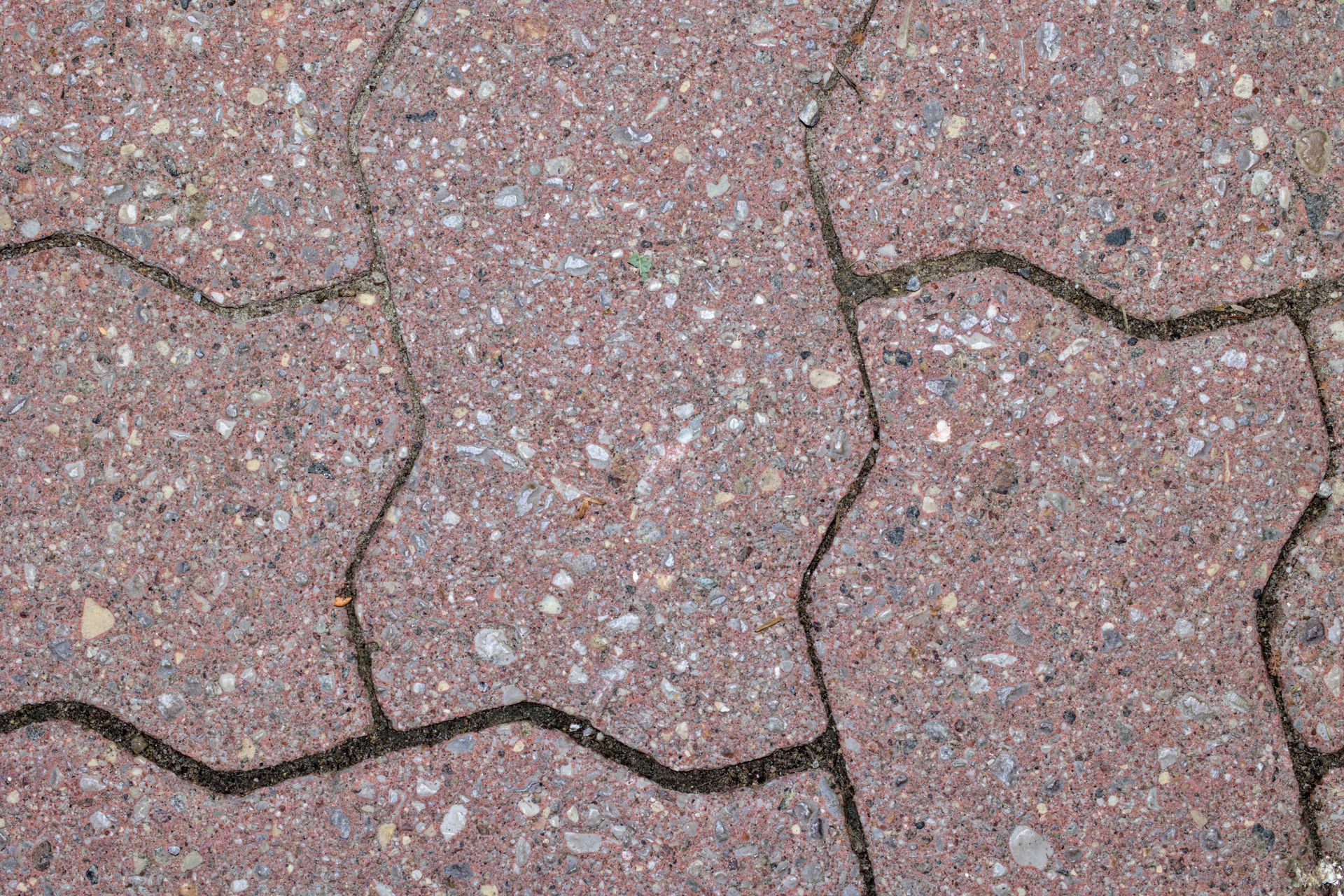
Paver Patios in St. Augustine, FL: Design Ideas, Materials, and What to Expect
June 29, 2026
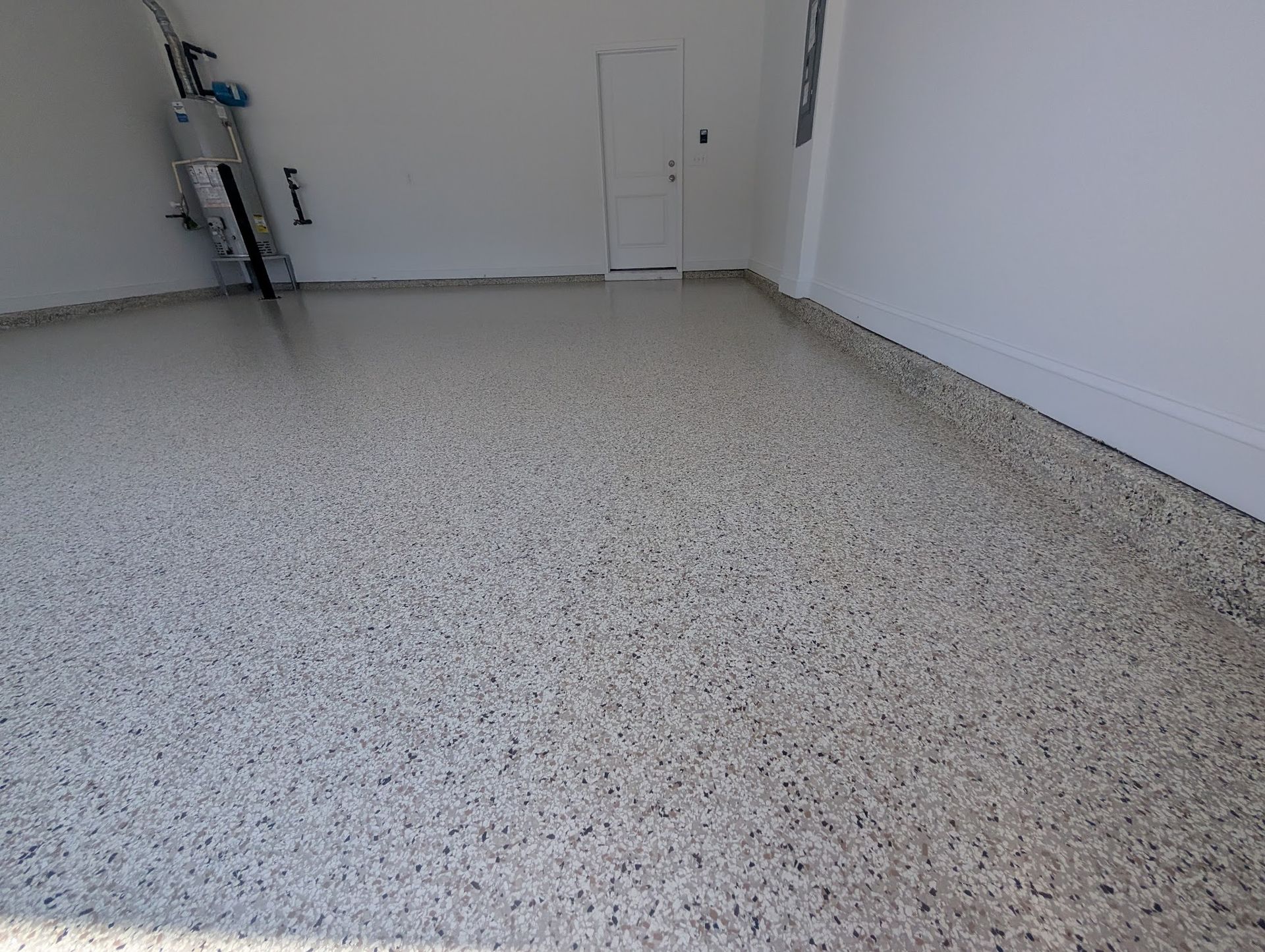
Epoxy Garage Floor Coating in St. Johns County, FL: Heat, Humidity, and What Actually Holds Up
June 12, 2026
How Much Does a Paver Patio Cost in St. Augustine, FL?
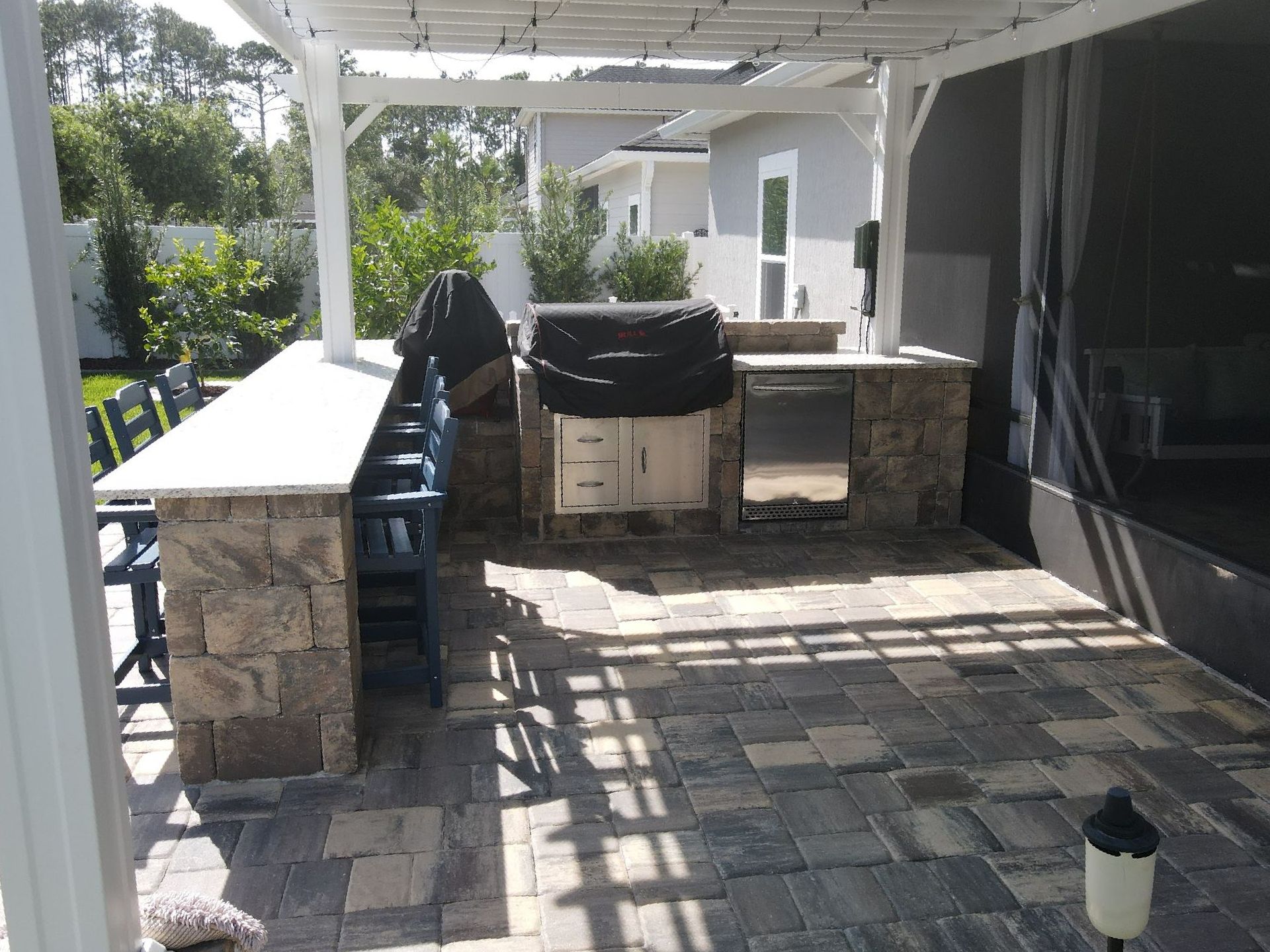
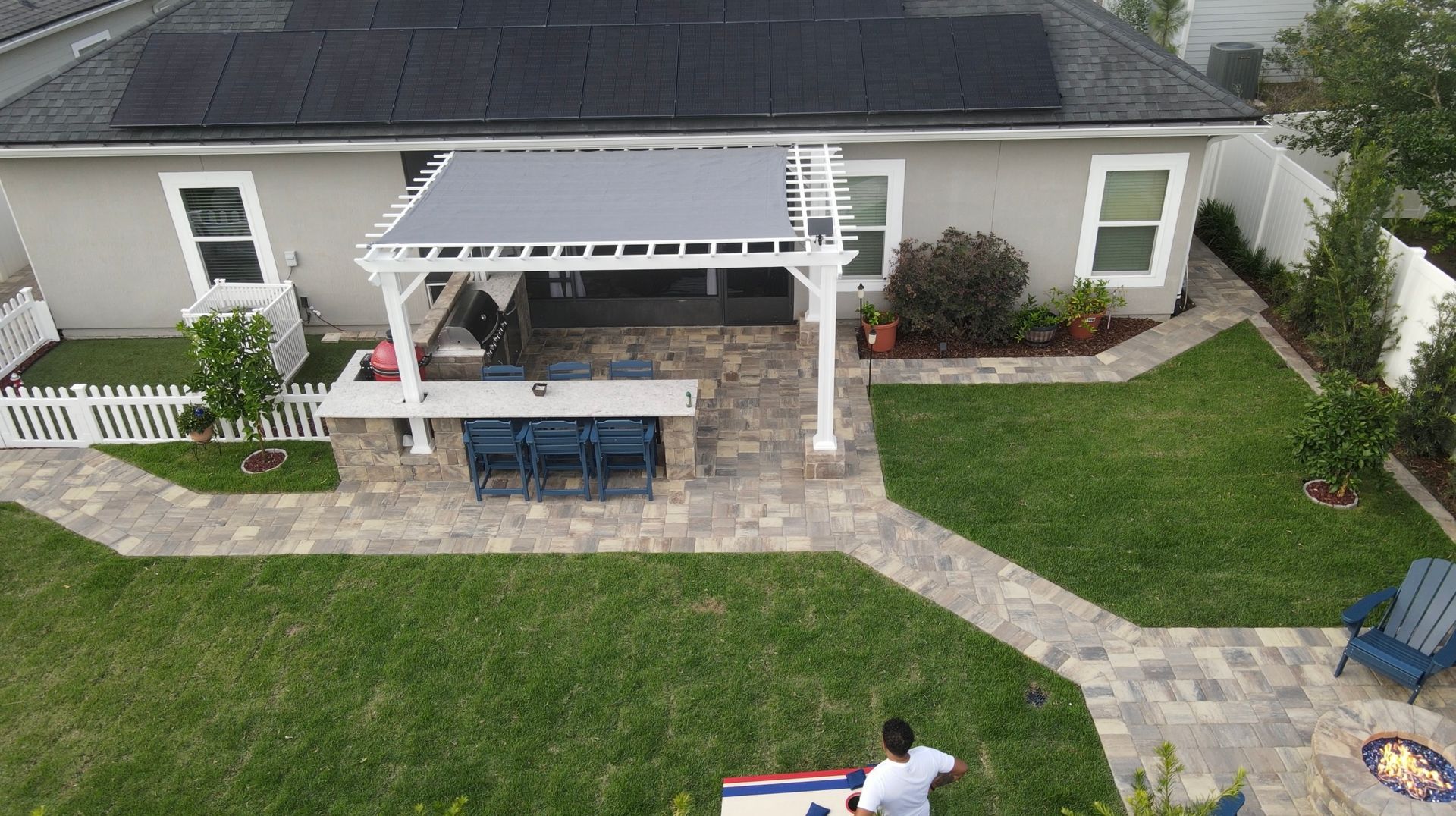
Covered patio with stone pavers, outdoor grill, long counter, and seating by a house
May 15, 2026
Learn how to design an outdoor kitchen that stays functional, comfortable, and durable year-round in Florida’s climate.