
Paver Patios in St. Augustine, FL: Design Ideas, Materials, and What to Expect
Paver Patios in St. Augustine, FL: Design Ideas, Materials, and What to Expect
Paver Patios in St. Augustine, FL: Design Ideas, Materials, and What to Expect
If you've been thinking about adding a patio to your backyard in St. Augustine, you've probably already noticed how much outdoor living matters here. With mild winters and long summers, a well-built patio isn't a seasonal luxury — it's one of the most-used spaces on your property. The question most homeowners run into isn't whether to build one. It's what to build it with, and what the process actually looks like from start to finish.
Here's an honest breakdown of what goes into a paver patio in Northeast Florida, so you can make a confident decision before you start calling contractors.
Why Pavers Instead of Poured Concrete?
Concrete slabs are common, and they're not a bad option — but pavers offer advantages that matter specifically in Florida's climate. St. Johns County sees a mix of intense summer heat, heavy rain, and occasional cold snaps. That cycle of expansion and contraction puts stress on solid concrete slabs over time, leading to cracking.
Pavers are installed as individual units with small joints between them. That design gives the surface flexibility. If one piece shifts or cracks, it can be replaced without tearing out the entire patio. For homeowners in Nocatee, Palencia, and World Golf Village who are investing in long-term curb appeal, that repairability makes a real difference.
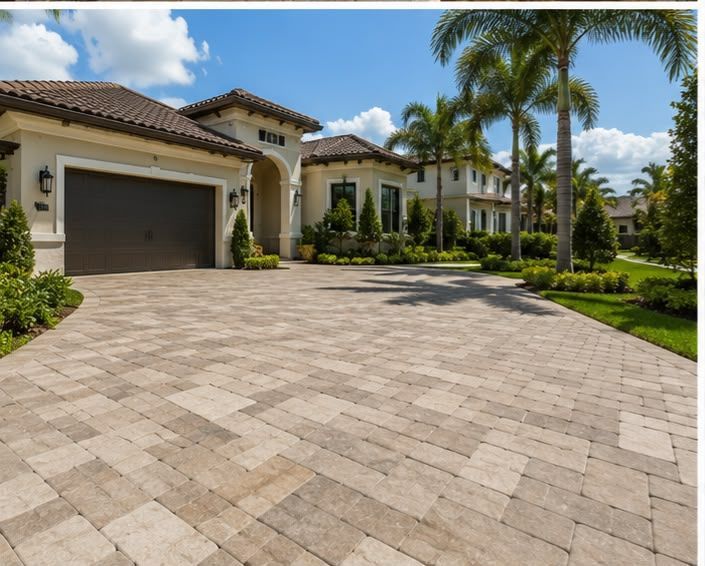
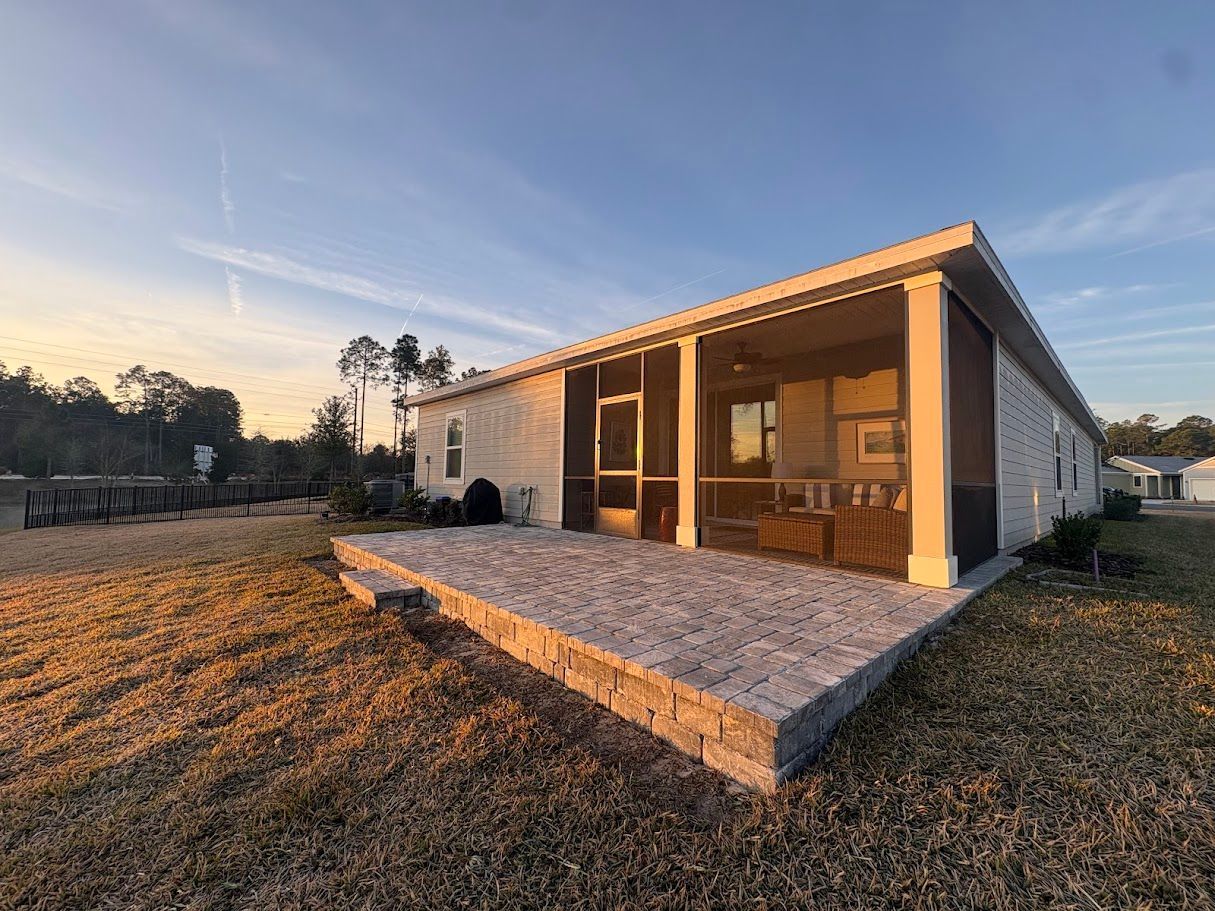
Pavers also offer more design flexibility. You're not locked into one color or texture — you can choose from concrete pavers, travertine, brick, or cobblestone in a range of finishes and patterns that complement your home's exterior.
Common Paver Materials for St. Augustine Patios
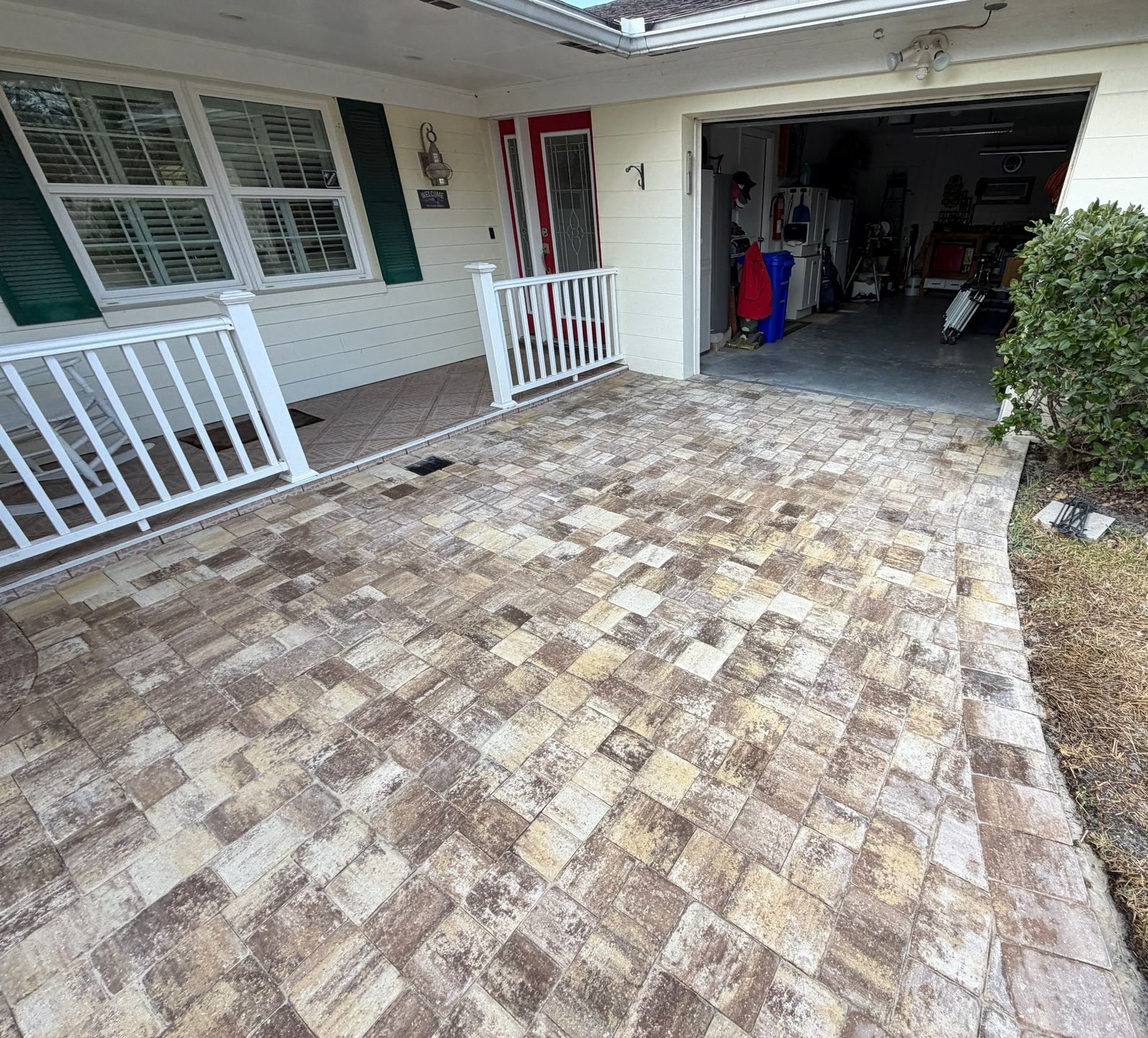
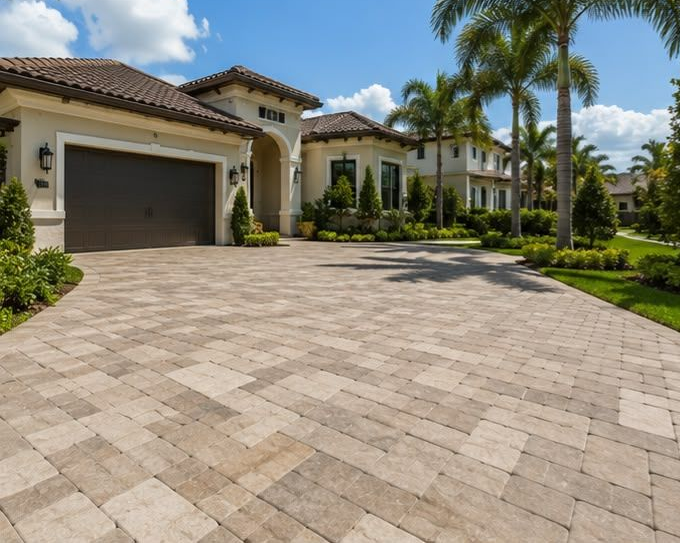
Concrete Pavers: The most widely used option for patios in St. Johns County. Available in dozens of colors and styles, they're durable, consistent, and cost-effective. Brands like Tremron manufacture pavers specifically for Florida conditions.
Travertine: A natural stone option that stays cooler underfoot than concrete — which matters when your patio gets full afternoon sun. Popular in Ponte Vedra Beach and Anastasia Island for its clean, upscale look. Travertine requires sealing to protect against staining.
Brick: Classic and durable. Brick pavers hold up well in Florida's humidity and age gracefully. They work especially well on older St. Augustine homes where a traditional aesthetic fits the architecture.
Cobblestone: Less common but striking. Cobblestone pavers add texture and character and are sometimes used as edging alongside a main field of concrete pavers.
Design Considerations Before You Start
Before selecting materials, it helps to think through how you'll actually use the space. A few questions worth answering:
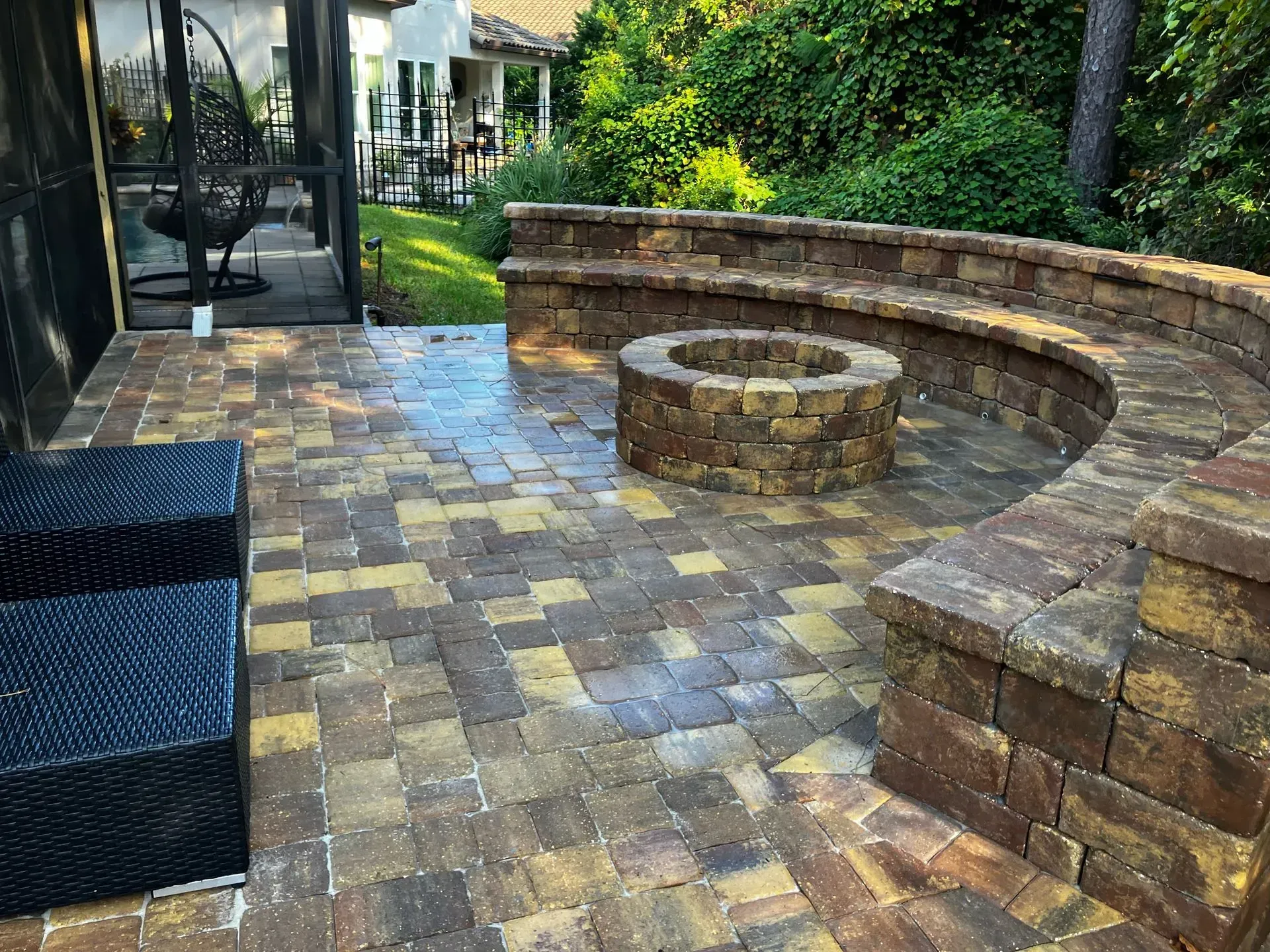
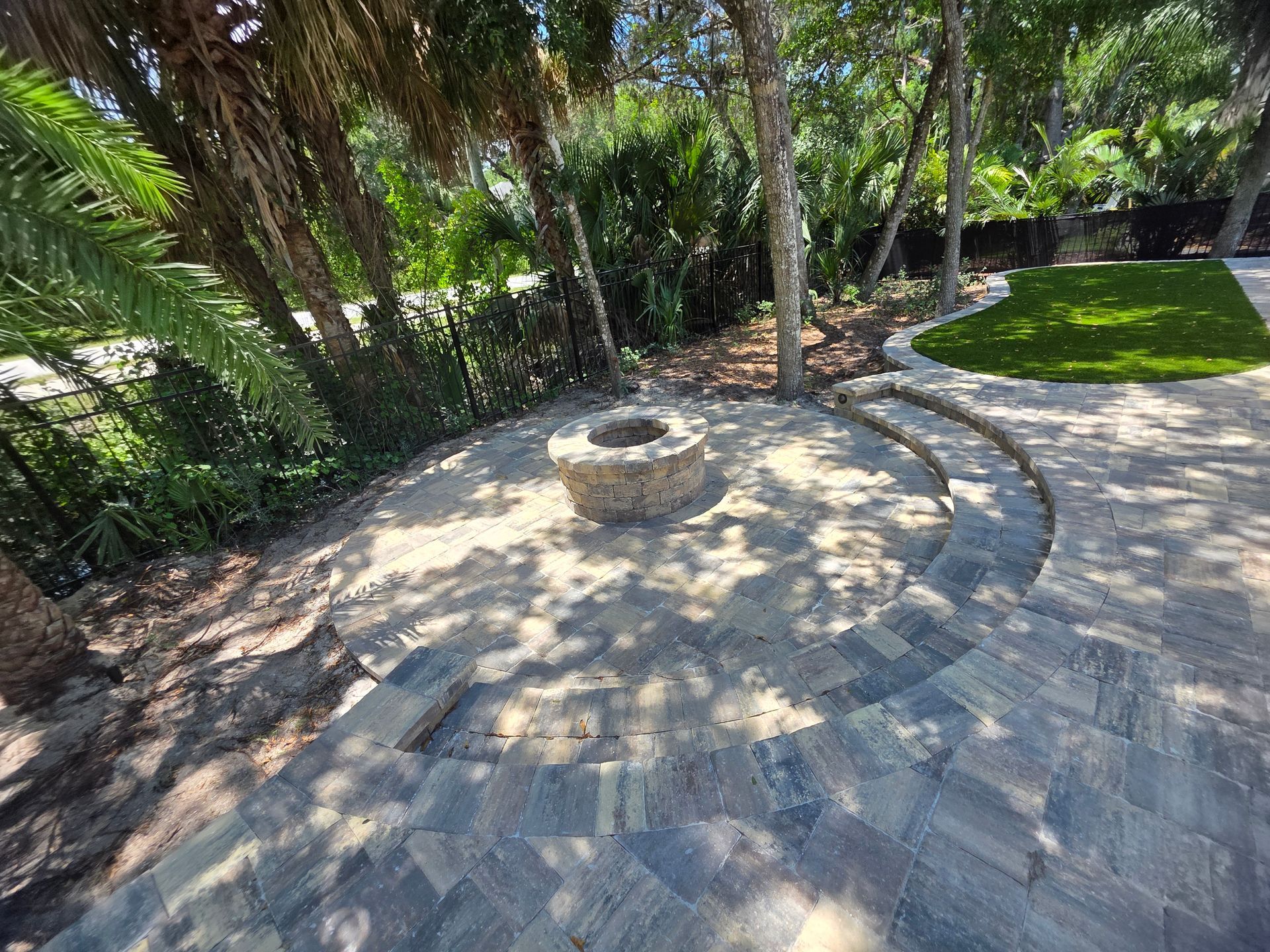
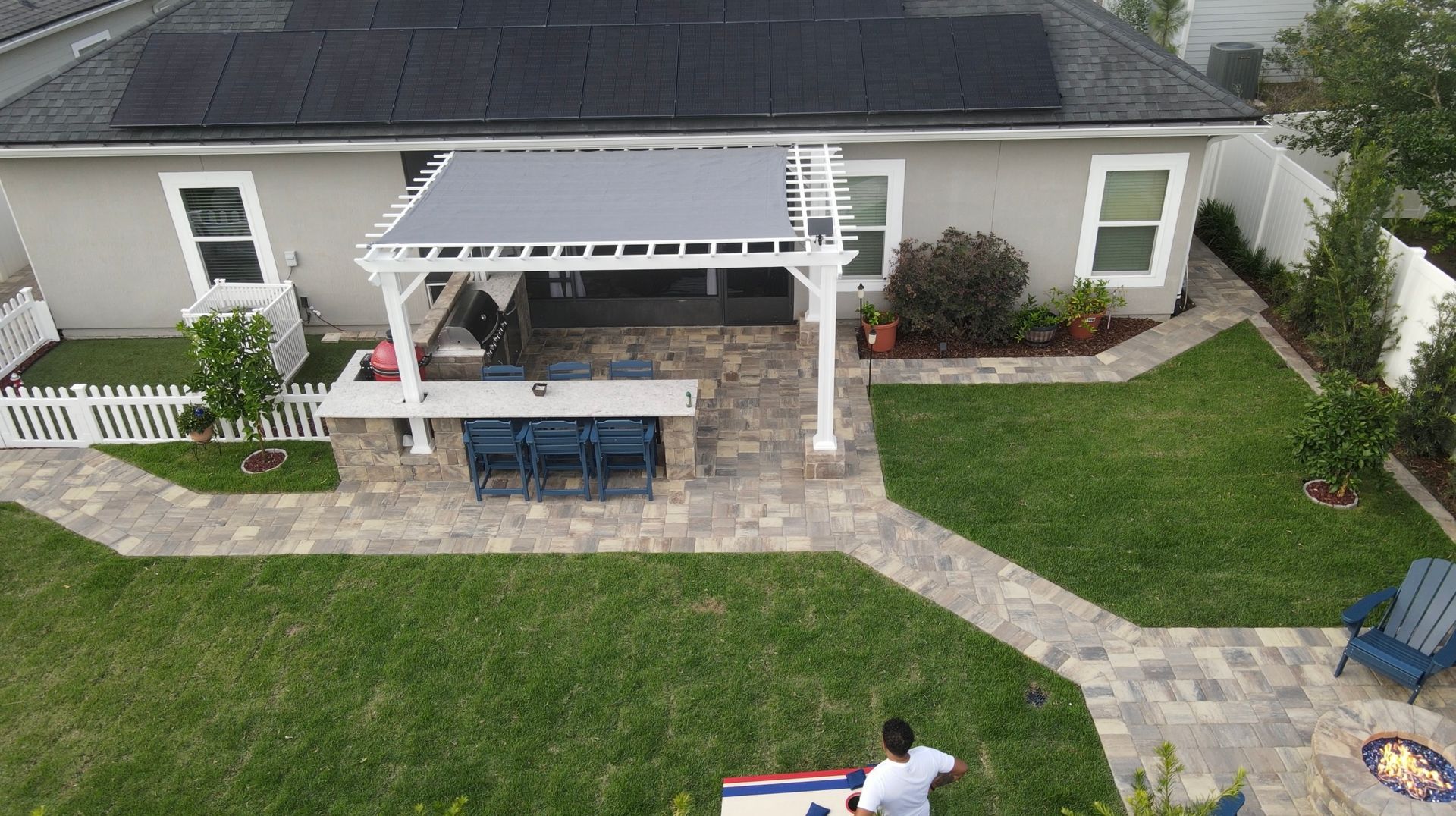
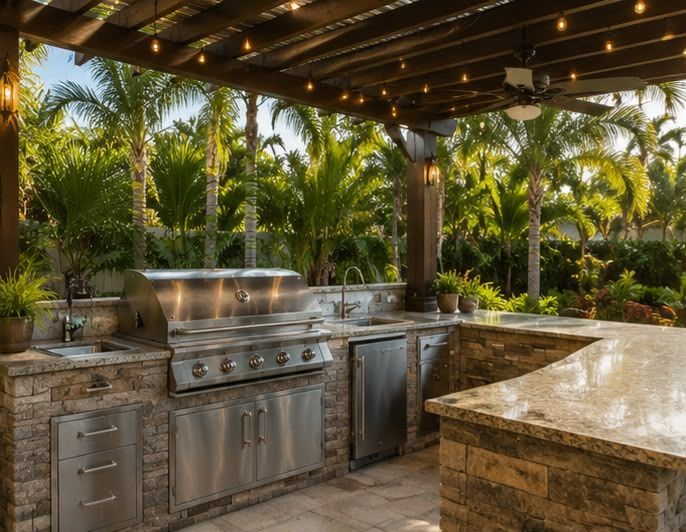
- Will you be adding an outdoor kitchen, firepit, or pergola? These features affect the layout and how the patio connects to the rest of your yard.
- How much shade does the area get? Sun exposure influences material choice — travertine handles direct sun better than darker concrete pavers.
- What's your drainage situation? Northeast Florida gets significant rainfall. A well-designed patio accounts for water flow so you're not dealing with pooling after every storm.
- Do you want the patio to connect to your pool deck? Matching or complementing the patio material to an existing pool surround creates a cohesive outdoor space.
In communities like Bartram Springs and St. Johns, where HOAs sometimes have guidelines on exterior improvements, it's also worth checking whether your patio design requires approval before breaking ground.
What the Installation Process Looks Like
A professional paver patio installation isn't a one-day job. Here's a realistic breakdown of the steps involved:
- Site assessment and design: The contractor evaluates the area, discusses your goals, and produces a layout. We offer free consultations and design planning so you're not guessing at what the finished space will look like.
- Excavation and base prep: The ground is excavated to the appropriate depth. A compacted gravel base is installed — this is the foundation that determines how level and stable your patio stays over time.
- Edge restraints: Borders are set to keep the patio from shifting outward at the edges.
- Sand layer: A layer of bedding sand is screeded smooth to provide a stable, level surface for the pavers.
- Paver installation: Pavers are laid in the chosen pattern — herringbone, running bond, basketweave, or a custom design.
- Compaction and joint sand: The surface is compacted and polymeric sand is swept into the joints to lock everything in place and resist weed growth.
- Sealing (optional): Sealing protects the surface from staining, UV fading, and Florida's humidity. It's especially recommended for travertine and lighter-colored pavers.
What to Ask Before Hiring a Contractor
Not every paving contractor in Northeast Florida operates the same way. A few things worth asking before you sign anything:
- Do you pull permits if required?
- What base depth do you use, and why?
- Do you use polymeric sand or regular sand for joints?
- What's your warranty on labor and materials?
- Can I see examples of completed patios in St. Johns County?
A contractor who can't answer those questions clearly is worth walking away from.
Get a Free Estimate for Your St. Augustine Paver Patio
We're a veteran-owned hardscape and outdoor living contractor serving St. Augustine, Nocatee, Ponte Vedra Beach, Palencia, St. Johns, World Golf Village, and the surrounding Northeast Florida coast. Chris and our team have completed paver patios, driveways, pool decks, and full backyard builds across St. Johns County and Duval County.
If you're ready to build something worth coming home to, call us at (904) 896-6928.