
Lighting Techniques That Elevate Outdoor Entertaining Spaces

How Outdoor Lighting Sets the Mood for Evening Entertaining

There is something special about a backyard after the sun goes down. The right outdoor lighting can turn an ordinary patio into a place that feels warm, inviting, and unforgettable. Soft lighting creates a calm atmosphere that encourages people to relax, talk, and enjoy the evening longer. Whether it is a quiet dinner with family or a gathering with friends, lighting helps shape the entire experience.


Think of lighting as the finishing touch that brings everything together. A space that feels dark and forgotten during the day can suddenly become the most loved part of your home at night. A few well-placed lights can completely change the mood, making your outdoor space feel like a private retreat just steps from your back door.

Layered Lighting Ideas for Patios and Backyard Spaces

The secret to beautiful outdoor spaces is not just adding one bright light. The real magic comes from layered lighting. This means combining different types of light so the space feels balanced, useful, and beautiful. The three main layers are ambient lighting for overall glow, task lighting for specific activities, and accent lighting for visual interest. When these layers work together, your backyard feels complete and thoughtfully designed.


Imagine sitting on a patio where overhead string lights provide a soft glow, small lights brighten the dining table, and landscape lights gently highlight nearby plants. Each layer serves a purpose, but together they create a space that feels comfortable and intentional. This is how a backyard goes from basic to breathtaking.
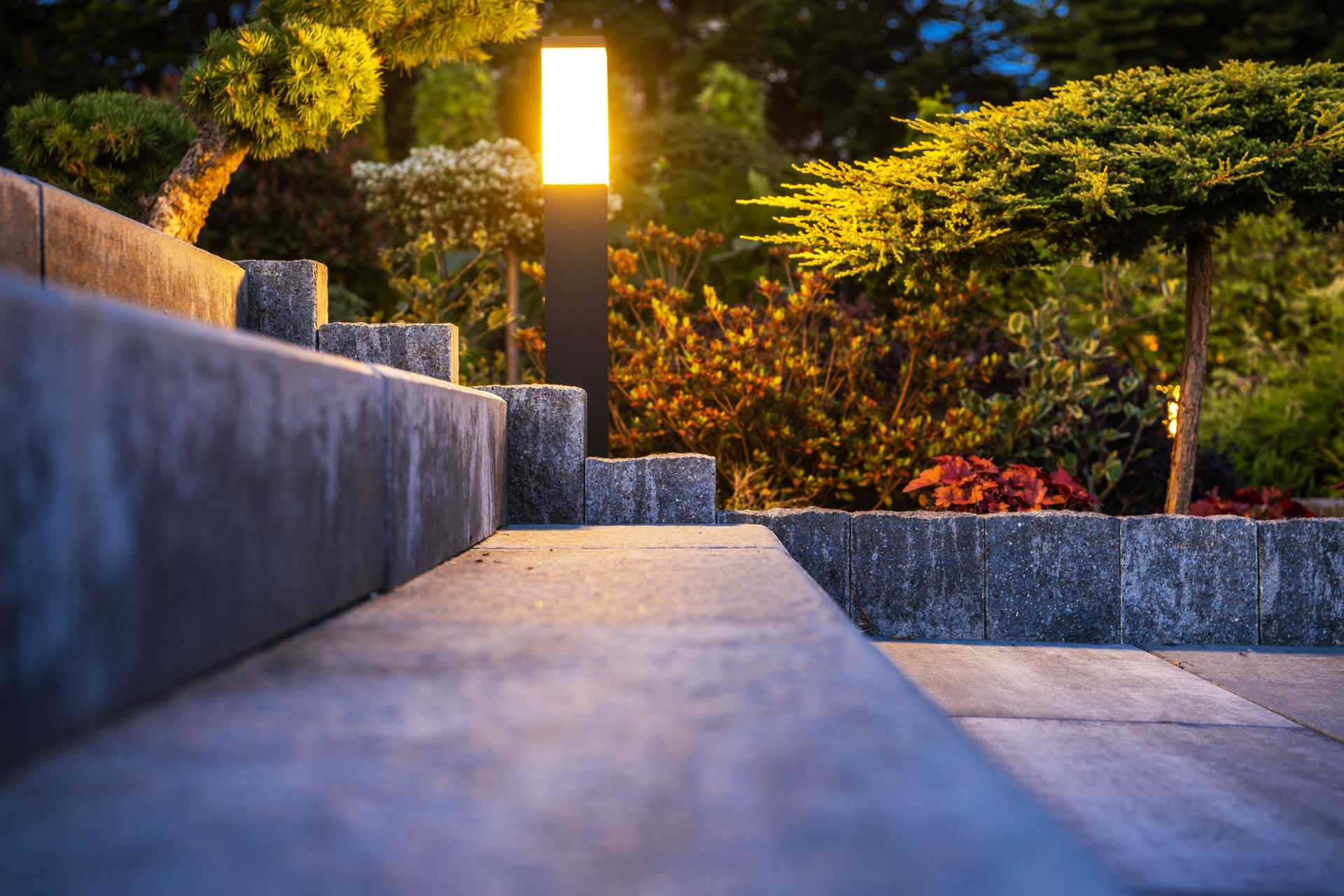

A bright, modern garden light stands beside stone steps in a lush, dimly lit garden at dusk.

Creating Ambient Light for a Warm and Inviting Atmosphere

Ambient lighting is the foundation of any outdoor entertaining area. It provides the gentle glow that fills the entire space without being too harsh. Popular choices include string lights, lanterns, wall sconces, and post lights. These options help make the space feel cozy and welcoming, which is exactly what most homeowners want when they are creating a place to gather after dark.


For many homeowners, string lights are a favorite because they instantly create charm. Draped over a pergola, fence, or patio cover, they give off a soft, magical feel. The goal is to make guests feel comfortable the moment they step outside. A warm glow invites people to stay longer, laugh louder, and enjoy the evening.

Task Lighting Tips for Outdoor Kitchens and Dining Areas

Task lighting is all about function. These are the lights that help you safely and comfortably use the space after dark. If you have an outdoor kitchen, grill area, or dining table, this type of lighting is essential. It helps you prepare food, serve meals, and move around with ease once the sun goes down.


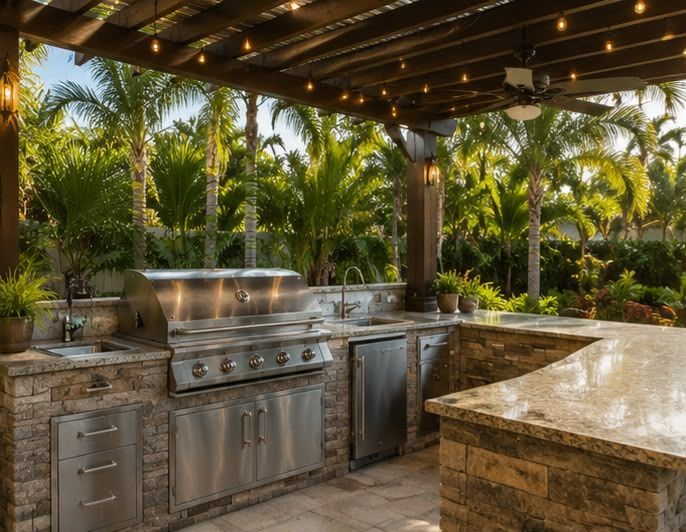
For example, lights above a grill make cooking easier and safer. Pendant lights above a dining table help guests see their meals clearly and create a more polished look. Good task lighting also improves visibility around steps, counters, and serving areas. It keeps the space practical without taking away from the beauty.

Accent Lighting to Highlight Landscaping and Architectural Features

Accent lighting adds drama and style. This is where your backyard starts to feel truly custom. It can be used to highlight beautiful details like palm trees, stone walls, water features, garden beds, pathways, and pergolas. These features may already look great during the day, but lighting helps them stand out in a whole new way after sunset.


A spotlight placed at the base of a tree can create beautiful shadows across your yard. Soft uplighting on stone columns or decorative walls adds depth and elegance. Even a simple garden bed can feel more striking with the right light placed in the right spot. It is these details that make your outdoor space feel luxurious and thoughtfully designed.

Improving Safety with Well-Placed Path and Step Lights

Beautiful lighting should also make your outdoor space safer. Path lights and step lights help guide movement after sunset and reduce the risk of trips and falls. This is especially important for families with children, guests, and older adults. A well-lit outdoor space helps everyone feel more comfortable moving around at night.


Walkways, pool decks, and steps should always be clearly visible after dark. Low-profile lighting along paths creates a clean, polished look while also improving safety. These lights do not need to be overly bright to do their job well. The best outdoor spaces are the ones that feel both beautiful and secure.

Choosing the Right Brightness and Color Temperature

Not all lighting creates the same feeling. Brightness and color temperature play a big role in how the space looks and feels. Warm white lighting often works best for entertaining because it creates a cozy and welcoming atmosphere. It feels more natural and relaxing, which is exactly what most people want in a backyard gathering space.


Cooler lights can sometimes feel too harsh for patios and entertaining areas. Instead, choose lighting that feels soft and inviting. A warm glow around 2700K to 3000K is often a great fit for residential outdoor spaces. The right tone can make the difference between a backyard that feels comfortable and one that feels too bright or cold.

Best Outdoor Lighting Fixtures for Entertaining Spaces

The fixtures you choose should match both your style and your needs. Some of the most popular choices for entertaining spaces include string lights, wall sconces, bollard lights, recessed deck lights, spotlights, and lantern-style fixtures. Each one serves a different purpose while adding its own charm and personality to the space.


For modern homes, sleek fixtures with clean lines often work beautifully. For more traditional spaces, lantern-style lights can create a timeless and welcoming look. It is important to think about how each fixture will support the space, whether that means providing a soft glow, highlighting a feature, or making walkways easier to see. The key is choosing fixtures that blend function with style.

Common Lighting Mistakes to Avoid After Sunset

One of the biggest mistakes homeowners make is using too much bright light in one area. Over-lighting can make a backyard feel harsh and uncomfortable instead of relaxing. Another common issue is forgetting about dark corners, pathways, or steps, which can leave parts of the space feeling unfinished or even unsafe.


It also helps to avoid placing all lighting at the same height. When every fixture is installed in the same way, the space can look flat and less interesting. A mix of high, mid, and low lighting creates better balance and visual depth. The goal is balance, not brightness. Thoughtful placement almost always creates better results than simply adding more lights.

Why Professional Outdoor Lighting Design Makes a Difference

A professionally designed lighting plan can completely transform your outdoor space. Instead of guessing where lights should go, a custom design helps make sure every part of the yard feels useful, attractive, and inviting. From safety to mood to curb appeal, the right design can make evenings outside more enjoyable and make your backyard feel like a natural extension of your home.


Reach out to Outdoor Transformations in St. Augustine, FL and call at (904) 896-6928 today to start planning an outdoor entertaining space that feels warm, inviting, and beautiful after sunset. Our company is proud to help homeowners create outdoor areas that add comfort, safety, style, and lasting enjoyment for years ahead.
October 14, 2026
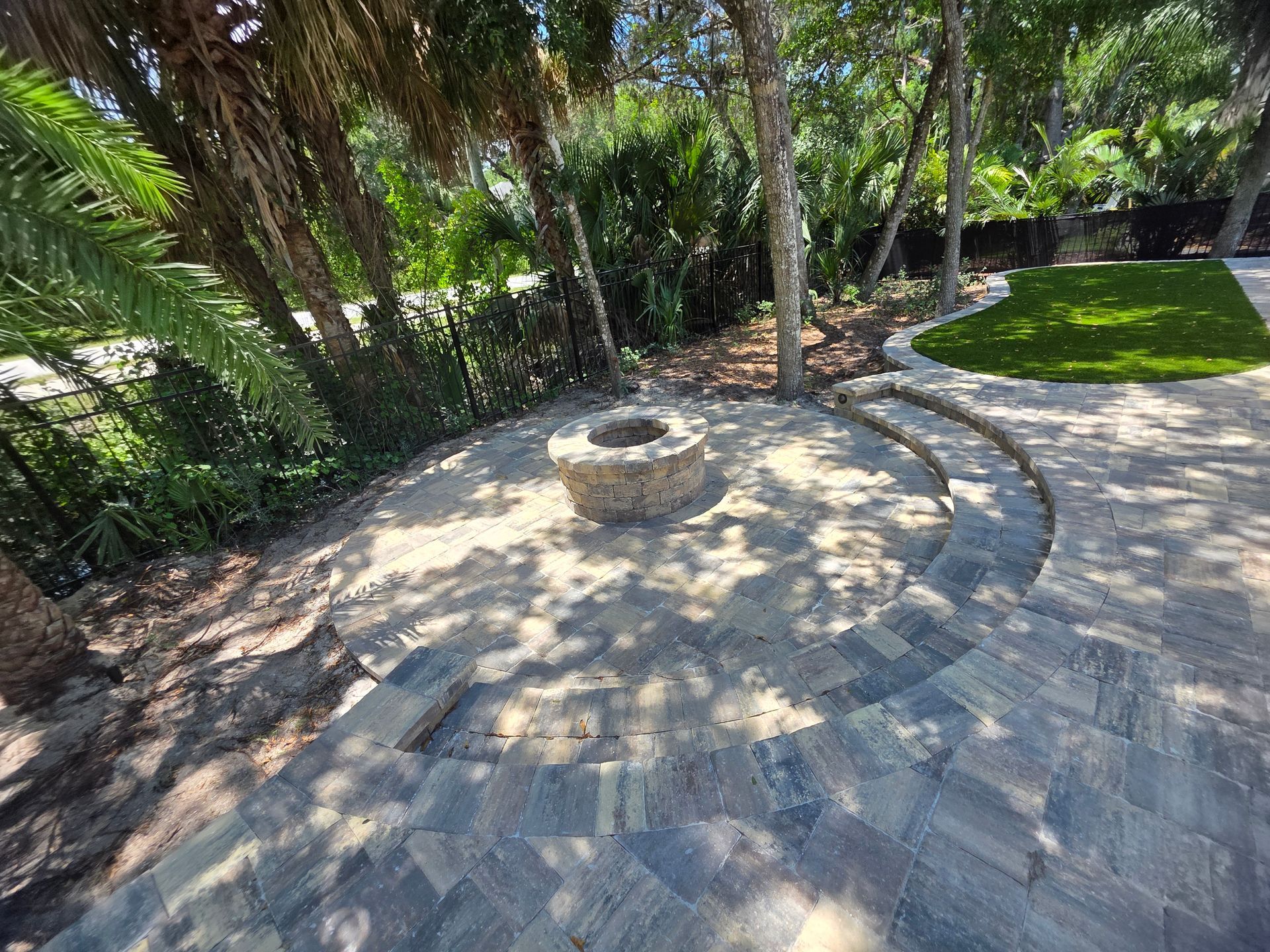
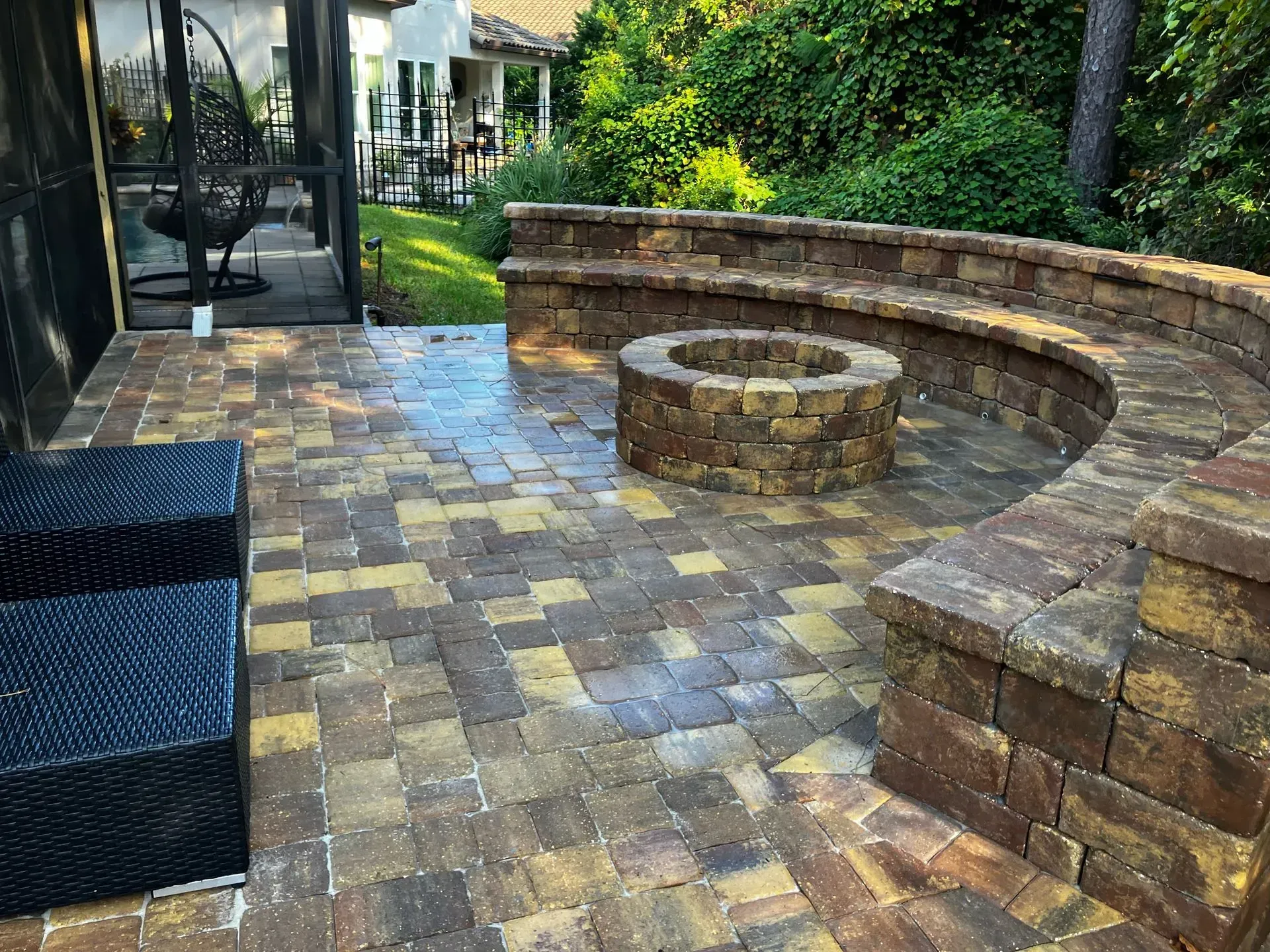
Once the summer heat breaks in St. Augustine, evenings outside get a lot more inviting. A fire pit gives your backyard a natural gathering spot — a place to sit with family after dinner, host friends on a cool night, or just unwind at the end of the week. The best fire pits aren't dropped onto a patio as an afterthought. They're planned as part of the space, with seating, walkways, and materials that tie everything together. Here are some of the fire pit ideas we've built for homeowners across St. Augustine and Northeast Florida, and what to think about before adding one to your own yard. 1. The Sunken (Drop-Down) Fire Pit A sunken fire pit sits a step or two below the main patio level. It creates a cozy, enclosed feeling — almost like an outdoor living room — and naturally separates the fire area from the rest of the patio. In June 2026, we built a custom back paver patio in St. Augustine with a drop-down fire pit set a step below the main patio. The patio curves around a section of inset artificial turf, and a curved paver border frames the whole space. We also added a side walkway, redesigned the plant beds, and installed drip irrigation and Sylvester palms, so the fire pit area feels connected to the rest of the yard. Best for: homeowners who want the fire pit to feel like its own separate "room." 2. A Seat Wall That Doubles as a Retaining Wall If your yard has any change in grade, a retaining wall can do double duty as built-in seating. Instead of buying outdoor furniture that has to be moved, stored, or replaced, the seating is part of the hardscape itself. For one St. Augustine homeowner, we built an L-shaped retaining wall that works as a bench around a square fire pit. The fire pit area sits at the back of the yard, connected to the main patio by a curved paver path. The wall and bench are finished in a tan and gray stone-look block that ties back to the patio pavers — so the family has two connected outdoor spaces finished in the same materials. Best for: yards with a slope, or homeowners who want permanent seating that never needs to be put away. 3. Curved Seating Around the Fire A curved wall or bench wraps around the fire pit and naturally turns everyone toward the center, which makes conversation easy. It also softens the look of a patio that's otherwise made of straight lines. In Jacksonville , we installed a Tremron Autumn Blend paver patio with a curved retaining wall, a built-in bench, and a fire pit. The warm tones of the pavers carry through the whole space, so the seating area and patio read as one design. Best for: homeowners who entertain and want a natural gathering circle. 4. Built-In Benches on Multiple Sides If you often host a bigger group, seating walls on more than one side of the fire pit give everyone a spot without crowding the patio with chairs. For a homeowner in St. Johns , we laid a gray paver patio with built-in seating walls that wrap around a square fire pit, plus a set of paver steps. The clean gray blend gives the space a modern, tailored look. Best for: larger families and frequent entertainers. 5. An Outdoor Fireplace Instead of a Fire Pit A fire pit isn't the only way to bring fire into your backyard. An outdoor fireplace adds height and a strong focal point, and it can help define the edge of a patio. In Vilano Beach , we built a paver patio with a garden retaining wall, steps, and a paver fireplace, finished with crushed white marble. It's a different look from a low fire pit, and it works well when you want the fire to be the centerpiece of the whole yard. Best for: homeowners who want a bold focal point and a more formal outdoor living space. 6. A Fire Pit as Part of a Full Backyard Plan Some of the best fire pit areas are part of a bigger project. In May 2026, we completed a St. Augustine project that included a custom back patio with a fire pit and gazebo, driveway extensions, front bed landscaping, and an irrigation redesign. Planning everything together meant the fire pit, gazebo, and patio all fit the same layout and materials. If you're thinking about a fire pit and other upgrades, our design services can help you plan the full space at once, even if you build it in phases. What to Think About Before Adding a Fire Pit Placement: Give the fire pit plenty of space from your house, trees, and any screened lanai or enclosure. Think about how smoke will drift with the usual wind direction in your yard, and leave enough room around the seating for people to walk through comfortably. Local rules and HOA guidelines: Many neighborhoods in St. Johns County have HOA rules about outdoor fire features, and local fire rules can apply too. It's always worth checking before you finalize a design. Materials that handle Florida weather: Pavers and wall block hold up well to St. Augustine's heat, humidity, and heavy summer rain. Choosing materials that match your patio also keeps the fire pit area from looking like an add-on. See our guide to pavers vs. concrete in St. Augustine . Lighting: Paths, steps, and seat walls still need to be safe after dark. Low-voltage outdoor lighting along walkways and under bench caps makes the space usable long after the fire dies down. Budget: The size of the patio, the type of seating, and the materials all affect the final cost. Our post on how much a paver patio costs in St. Augustine is a good starting point, and we offer 0% financing on qualifying projects.  Plan Your Fire Pit Patio in St. Augustine Outdoor Transformations is a veteran-owned paving and outdoor living contractor serving St. Augustine, Jacksonville, Ponte Vedra Beach, St. Johns, and the rest of Northeast Florida. Our crew handles the design, pavers, walls, and landscaping under one roof. Call (904) 896-6928 or request a complimentary quote to start planning your fire pit area.
September 30, 2026
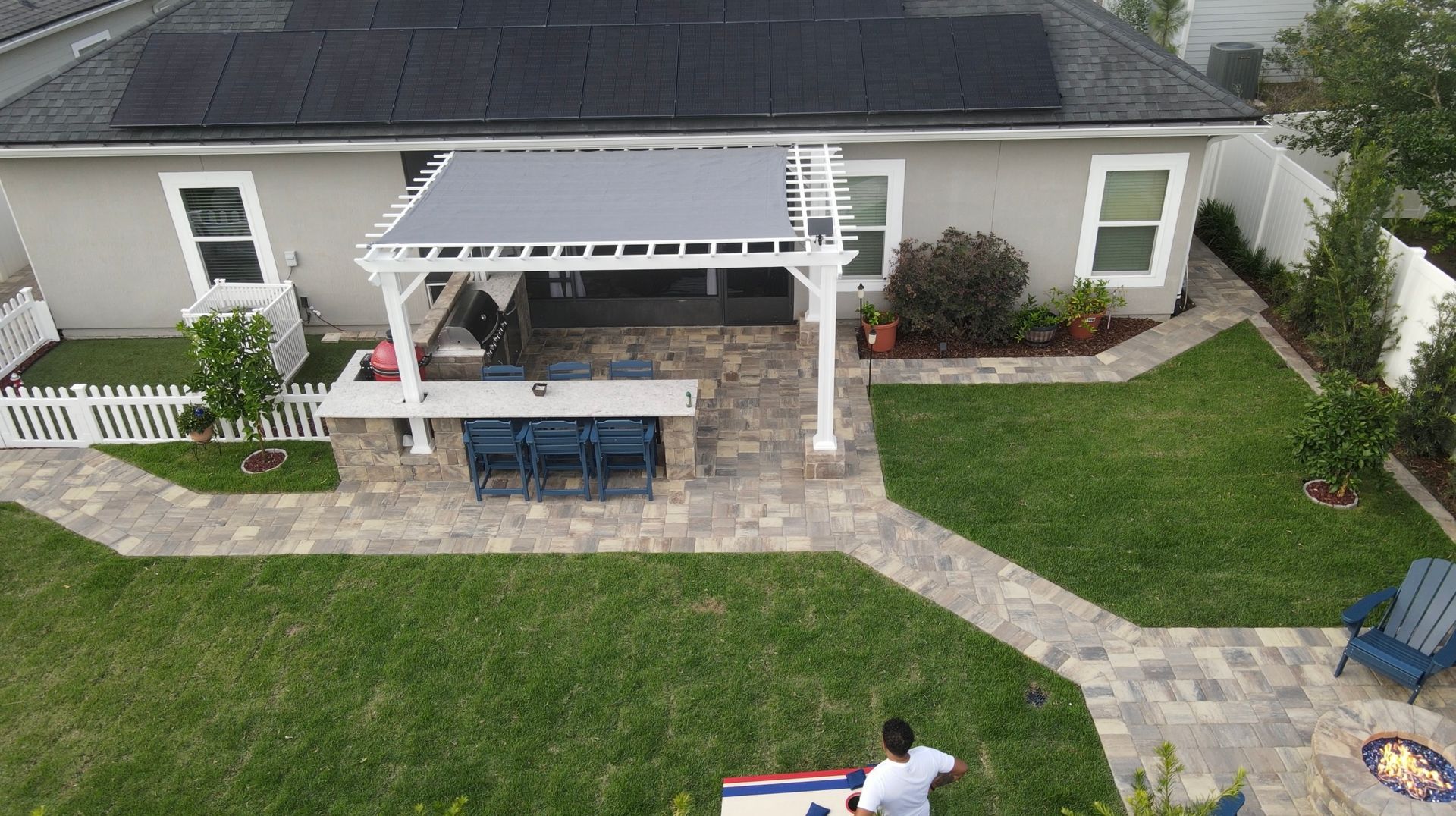
Fruit Cove and the surrounding St. Johns County are full of backyards built for year-round outdoor living, and a well-designed paver patio is often the feature that ties the whole space together. Here are a few directions homeowners in the area have been gravitating toward, and what to consider for each. St. Johns County's mix of larger suburban lots and Florida's outdoor-friendly climate means backyard patios here tend to get used far more than in colder regions — which is exactly why it's worth thinking through layout and function carefully before committing to a design. The Extended Outdoor Living Room One of the most popular directions we see is a patio designed as a true extension of the indoor living space — often paired with outdoor lighting and a fire feature, creating a space that gets used well into the evening rather than just for daytime gatherings.  This approach typically means larger covered or partially covered areas, comfortable seating zones sized like an actual living room, and lighting layered enough to feel intentional rather than just functional — string lights for ambiance, path lighting for safety, and accent lighting on any landscaping or water features nearby. Pool Deck Integration For homes with a pool, extending paver design from the pool deck into an adjacent patio area creates visual continuity across the whole backyard rather than a pool deck and a separate, disconnected patio. This works especially well with a consistent paver material and color running from one zone into the next. Multi-Zone Layouts Larger St. Johns County lots have room for distinct zones within one patio footprint — a dining area, a lounge seating area, and sometimes a separate fire pit zone, each defined by subtle changes in paver pattern or a border detail rather than physical walls. This gives a backyard functional structure without feeling closed off. A common approach is to anchor each zone with a specific function in mind from the start: a dining zone sized and positioned near the kitchen or grilling area for easy food service, a lounge zone oriented for conversation rather than foot traffic, and a fire pit zone set slightly apart so smoke and heat don't interfere with the other areas. Low-Maintenance Pairings Pairing a paver patio with artificial turf for the surrounding lawn area has become increasingly popular for busy families who want the look of a finished backyard without the ongoing maintenance of natural grass in Florida's heat and humidity. Firepits, Benches, and Built-In Seating Built-in seating walls, paver benches, and custom fire pits add function without requiring additional furniture, and they hold up well outdoors compared to furniture that needs to be covered or stored. This is part of our broader landscaping and outdoor living work, often designed together with the patio itself rather than added on afterward. Planning Around Florida's Sun and Rain Any patio design in this part of Florida benefits from thinking about shade and drainage early rather than as an afterthought. Pergolas, mature tree canopy, or strategically placed shade structures make a patio usable during peak summer heat, while proper base drainage keeps the space from pooling water during the region's frequent afternoon storms. Start Designing Your Fruit Cove Patio Outdoor Transformations designs and installs custom paver patios throughout Fruit Cove and St. Johns County . Call (904) 896-6928 or request a complimentary quote to start planning your space.
September 29, 2026
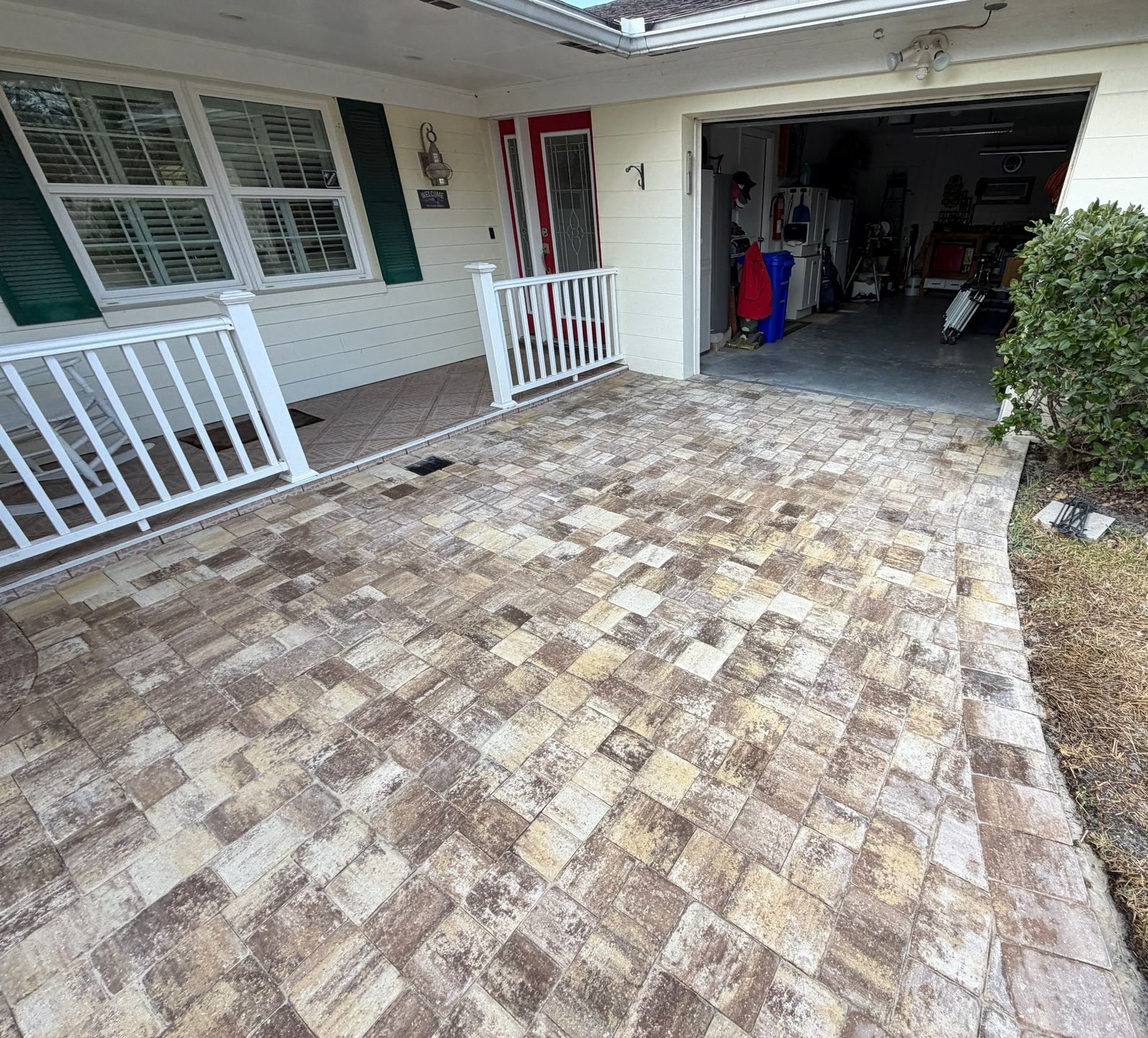
Florida's climate is tough on outdoor surfaces — intense UV exposure, heavy seasonal rain, high humidity, and for coastal properties, salt air on top of all of it. Not every paver pattern or material handles that combination equally well, and picking based on looks alone can mean more maintenance down the road than you bargained for. Because so much of Florida's outdoor living happens on these surfaces — pool decks, driveways, patios used year-round — the pattern and material choice isn't purely cosmetic. It affects how the surface handles heat, how it drains after a summer downpour, and how much upkeep it needs over the years. Herringbone: The Structural Standout For driveways specifically, herringbone is widely considered the strongest interlocking pattern because the angled placement locks pavers together in multiple directions, resisting the shifting and spreading that vehicle weight can cause over time. It's a strong choice for Florida driveways that need to hold up to daily traffic without loosening at the edges. Running Bond and Basketweave: Reliable for Patios For patios and walkways that don't carry vehicle weight, running bond and basketweave patterns offer a clean, classic look with solid interlock, and they're generally more budget-friendly to install than herringbone due to simpler cutting requirements. Material: Why Travertine Performs Well in Florida Travertine is a natural stone that stays notably cooler underfoot in direct sun compared to concrete pavers — a real advantage around Florida pool decks where bare feet meet hot surfaces all summer. It's also naturally slip-resistant when honed or brushed, which matters around water. Material: Concrete Pavers for Value and Range Standard concrete pavers remain the most cost-effective option and come in the widest range of colors and finishes, making them a strong fit for driveways and larger patio areas where budget and design flexibility both matter. Material: Brick and Cobblestone for Classic St. Augustine Character Given St. Augustine's historic character, brick and cobblestone remain popular choices for homeowners wanting a driveway or walkway that complements the area's architectural style, while still offering the durability advantages of an interlocking paver system. How Drainage Affects Pattern and Material Choice Florida's heavy summer rain events mean drainage performance deserves as much attention as looks. Permeable paver systems, which allow water to filter through the joints into the base layer rather than running off the surface, are worth considering for low-lying areas or properties prone to standing water after storms. The base preparation underneath matters just as much here as the pavers themselves. Sealing: The Step That Protects All of the Above Regardless of material or pattern, sealing matters significantly more in Florida than in drier climates. A quality sealer protects against UV fading, resists mold and algae growth in Florida's humidity, and for coastal properties, helps resist salt air corrosion on the paver surface.  Get a Recommendation for Your Space Not sure which pattern or material fits your project? Outdoor Transformations installs pavers across St. Johns and Duval County and can walk you through what performs best for your specific property. Call (904) 896-6928 or request a complimentary quote .
September 23, 2026
It's one of the most common questions we get from St. Augustine homeowners planning a driveway, patio, or pool deck project: pavers or concrete? Both are solid choices, but they perform differently in Florida's climate, and the right answer depends on what matters most to you — upfront cost, long-term maintenance, or how the surface looks over time. There's no universally correct answer here, which is part of why the debate keeps coming up. What changes the calculus for most homeowners is understanding how each material actually behaves over 10, 15, or 20 years in a Florida yard — not just how it looks on install day. Upfront Cost Poured concrete is typically the more affordable option upfront, especially for large, simple surfaces like a straight driveway. Pavers cost more initially due to material and labor-intensive installation, though the gap narrows with decorative concrete finishes like stamping or staining. It's worth noting that the initial cost gap doesn't tell the whole financial story. Concrete's lower upfront price can be offset over time by repair and resurfacing costs that pavers largely avoid, which is why we encourage clients to think in terms of total cost of ownership rather than just the installation invoice. Long-Term Durability in Florida's Climate This is where pavers often pull ahead. Concrete is a single continuous slab, which means it cracks as one piece when the ground shifts — and Florida's sandy soil, heavy seasonal rain, and occasional freeze events all create that kind of movement over time. Pavers are individual units set on a compacted base, so they flex slightly with ground movement rather than cracking outright. Humidity and rain also affect the two materials differently. Concrete can develop surface staining, efflorescence, or mildew growth in Florida's wet, humid conditions, especially in shaded areas. Pavers, particularly with a quality sealer, tend to resist staining better and are easier to spot-clean without leaving a visible patch. Repair and Maintenance This is the biggest practical difference. If a section of concrete cracks or stains, repairing it usually means patching or resurfacing a visible section that rarely blends perfectly with the surrounding slab. With pavers , a damaged unit can be individually removed and replaced without disturbing anything around it — a repair that's both cheaper and far less noticeable. This matters more in Florida than in drier climates, since tree roots, irrigation runoff, and heavy rain events all increase the odds of needing a repair at some point over a surface's lifespan. Knowing the repair will be clean and localized rather than a visible patch job is a real factor in the decision for a lot of our clients. Design Flexibility Concrete can be stamped, stained, or scored for a decorative look, but pavers offer a wider native range of colors, shapes, and patterns without needing additional finishing work. For homeowners wanting a distinctive look — herringbone patterns, mixed materials, or a natural stone appearance — pavers typically deliver more design options straight out of the box. Heat and Comfort Underfoot Around pools and patios especially, surface temperature matters. Standard concrete and dark-colored pavers can get uncomfortably hot underfoot in direct Florida sun. Lighter-colored pavers and certain natural stone options like travertine stay noticeably cooler, which is worth factoring in for any surface near a pool deck. Which One Fits Your Project If budget is the primary driver and you're covering a large, simple area, concrete is often the practical choice. If long-term durability, easier repairs, and design flexibility matter more, pavers tend to be the better investment over the life of the surface — particularly for driveways and patios that will see years of Florida sun and rain. Get a Recommendation for Your Property  Outdoor Transformations installs both pavers and concrete across St. Augustine and St. Johns County, and we'll walk you through which fits your project and budget. Call (904) 896-6928 or request a complimentary quote .
September 14, 2026
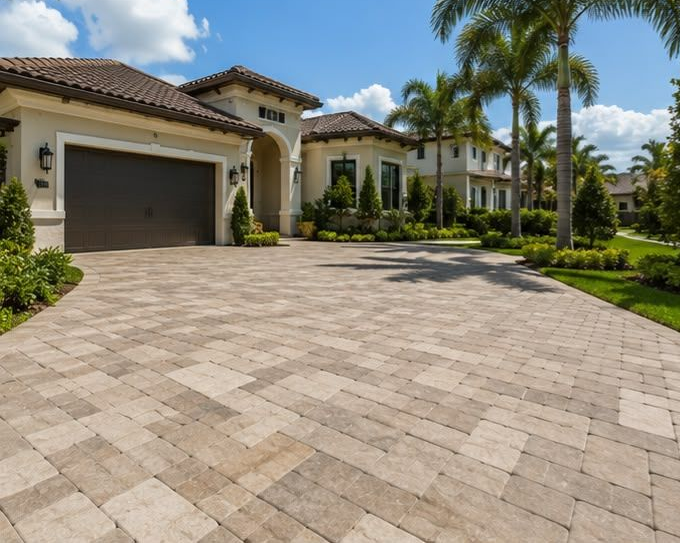
Atlantic Beach homeowners weighing a paver driveway usually have the same two questions: what's this actually going to cost, and what does the process look like start to finish. Both answers depend on a handful of factors specific to coastal Northeast Florida, not just square footage. A driveway is one of the first things anyone sees when they pull up to your home, and it's also one of the hardest-working surfaces on your property — daily vehicle weight, sun exposure, and in Atlantic Beach's case, salt air off the coast. Getting the material, base, and installation right the first time saves a lot of headaches down the road. What Actually Drives the Cost Material choice is the biggest variable. Our paver driveway installations use everything from standard concrete pavers to premium options like travertine, brick, and cobblestone, and the price spread between those is significant. Beyond material, the existing site condition matters — removing old concrete or asphalt, correcting drainage, and the total square footage all factor into the final number more than most homeowners expect going in. Other cost factors that often get overlooked: the complexity of the layout (a driveway with curves, multiple angles, or a circular turnaround costs more to cut and lay than a straight rectangle), how much excavation and grading the site needs before base work can even begin, and whether the project includes additional features like a paver apron connecting to the garage or a decorative border in a contrasting material. Why Atlantic Beach Sites Need Extra Planning Being this close to the coast changes a few things about the installation. Sandy, well-draining soil is actually an advantage for paver base preparation compared to heavier inland clay soils, but salt air exposure means material selection matters more — some paver finishes and sealers hold up to coastal conditions better than others over the long run. Drainage is another Atlantic Beach-specific consideration. Coastal properties often sit at a lower elevation relative to groundwater, and heavy seasonal rain events common to Northeast Florida summers mean a driveway needs proper slope and base drainage built in from the start, not added as an afterthought once water starts pooling. The Installation Process, Step by Step A typical paver driveway project starts with excavation to the proper depth, followed by a compacted base layer — usually crushed limestone or similar aggregate — that does the real structural work of supporting vehicle weight. A layer of bedding sand goes down next, then the pavers are set in the chosen pattern, cut to fit the edges, and compacted into place with a plate compactor. Polymeric sand is swept into the joints to lock everything together and resist weed growth, and edge restraints are installed to keep the whole system from shifting over time. Before any of that happens, though, a proper assessment walks the site to check existing grade, drainage flow, and whether old concrete or asphalt needs to be removed first. This step determines a lot about the final cost and timeline, which is why we don't quote a driveway project sight unseen. Choosing a Pattern and Material for a Driveway Not every pattern that looks good on a patio performs well on a driveway. Herringbone is generally considered the strongest interlocking pattern for vehicle traffic because the angled placement resists shifting in multiple directions at once — something a straight running-bond pattern can't do as effectively under the lateral force of tires turning in and out of a garage. Timeline Expectations Most residential driveway installations take a matter of days rather than weeks once work begins, though weather and site conditions can shift that. Unlike a concrete pour, there's no curing period before the driveway can be used — pavers are ready for vehicle traffic almost immediately after installation and compaction. This is one of the more underrated advantages of pavers versus concrete for homeowners who don't want to plan around a multi-day cure window. Maintaining a Paver Driveway Long-Term Once installed, a paver driveway is relatively low-maintenance, but a few habits extend its life significantly. Resealing every few years protects against UV fading and helps the joint sand resist washout during heavy rain. Addressing any individual settled or shifted pavers early — rather than waiting — prevents a small issue from spreading to neighboring pavers over time.  Get a Quote for Your Atlantic Beach Driveway Outdoor Transformations installs paver driveways throughout Atlantic Beach and greater St. Johns and Duval County. Call (904) 896-6928 or request a complimentary quote to see what your project would actually cost.
July 6, 2026
Paver Patios in St. Augustine, FL: Design Ideas, Materials, and What to Expect