
How to Prepare Your Patio and Driveway for Florida’s Rainy Season
Inspecting Your Concrete Patio and Concrete Driveway Before the Rainy Season Begins
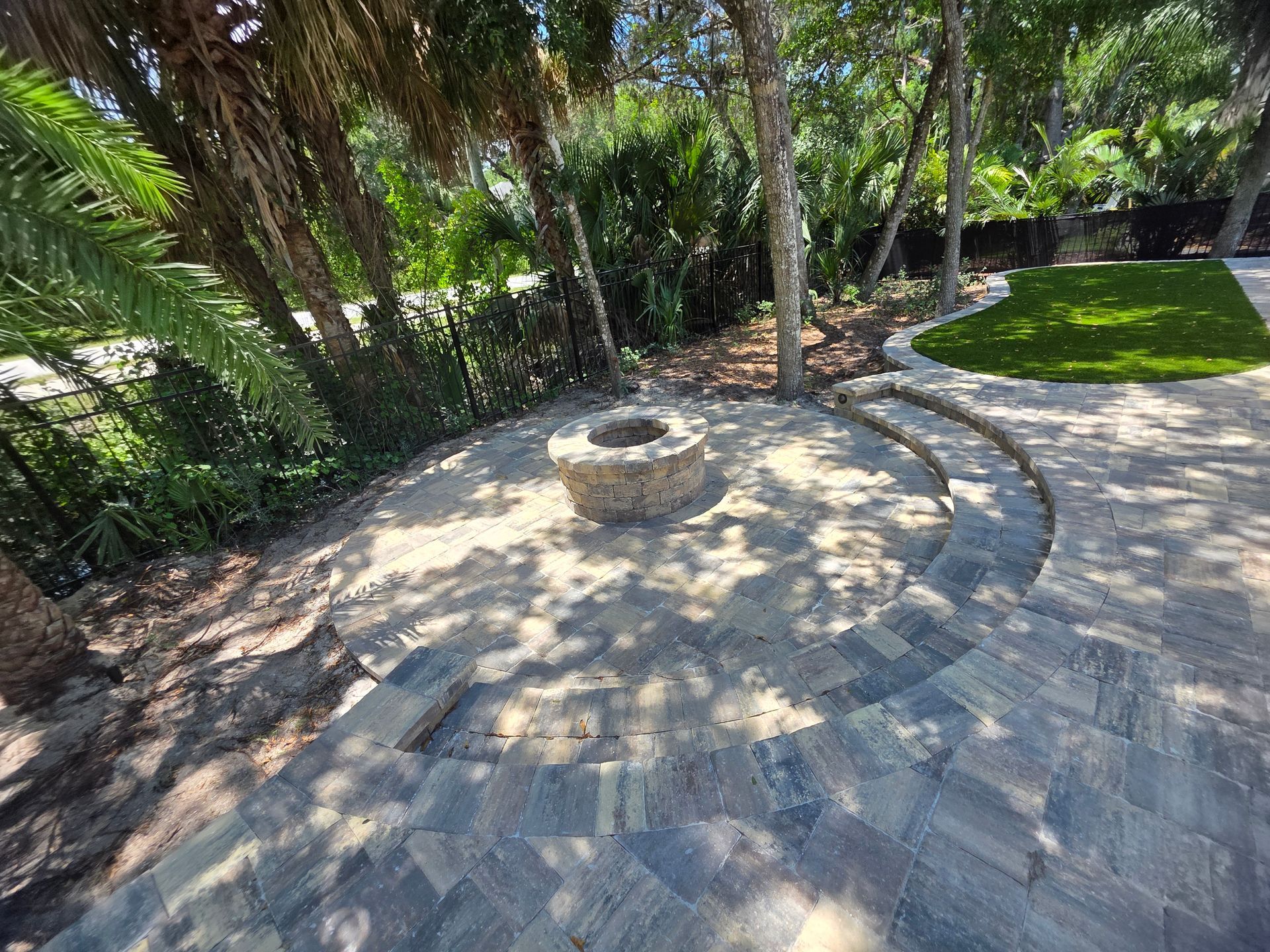
Before the storms begin, it is smart to take a slow walk around your concrete patio and concrete driveway. Look closely at the surface and notice how it feels under your feet. Small cracks, rough spots, or areas that seem worn can become bigger problems once heavy rain starts soaking the ground.
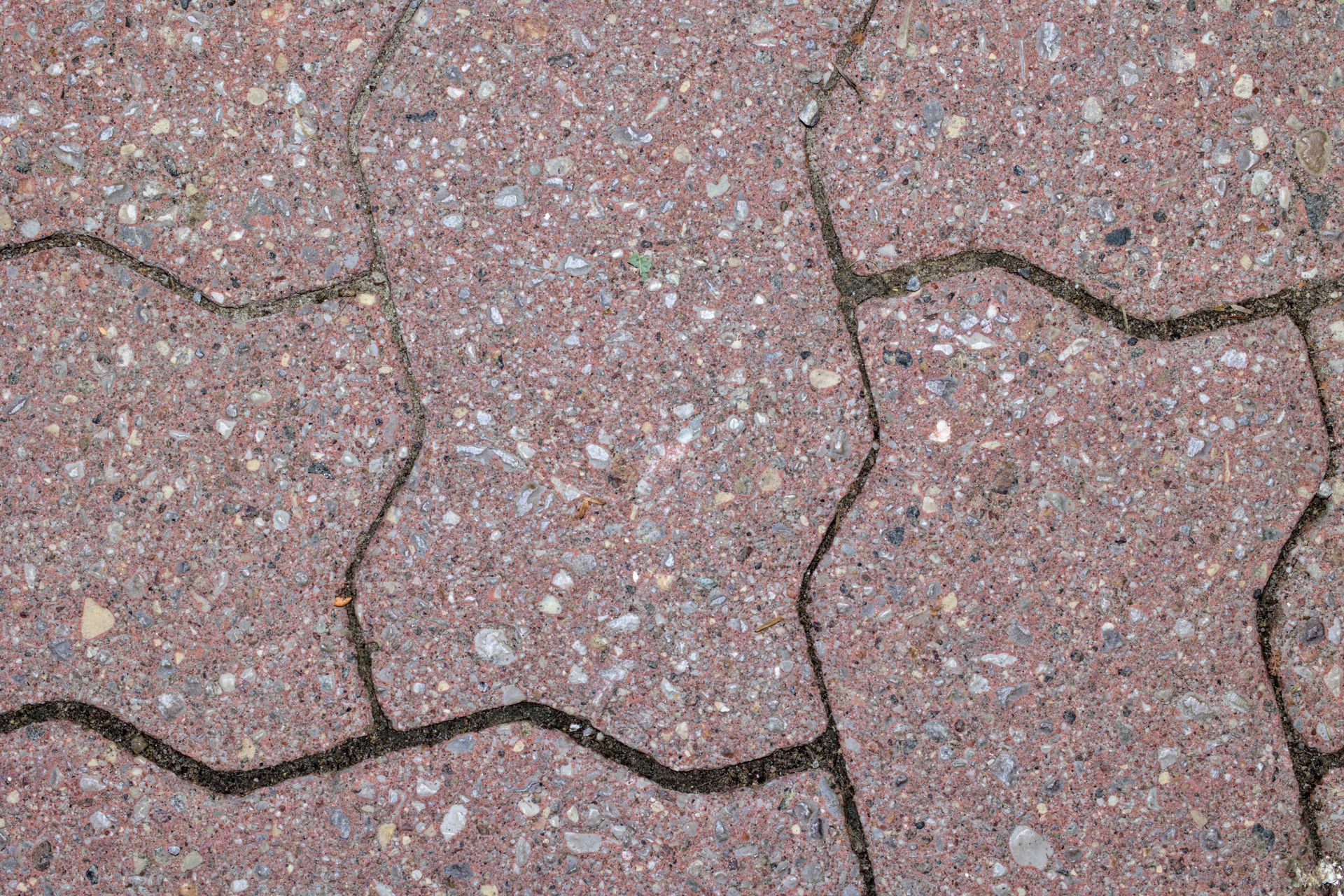
A quick inspection now can save time and money later. As you walk around your patio and driveway, pay attention to small cracks spreading across the surface, loose or crumbling edges, and stains that may show where water tends to collect. Catching these early warning signs allows homeowners to address minor issues before Florida's strong summer storms have the chance to make them worse.
Why Proper Drainage Around Your Concrete Patio and Concrete Driveway Matters
Rain does not simply fall in Florida, it pours. When water has nowhere to go, it can sit on the surface and slowly work its way into small openings in the concrete. Over time, trapped moisture can weaken both a concrete patio and concrete driveway, eventually leading to cracks, erosion beneath the surface, or uneven sections.
Good drainage helps rainwater move away from your home and outdoor surfaces. Homeowners can improve drainage by checking for low areas where water gathers, making sure gutters are not spilling water near the driveway, and ensuring nearby landscaping does not block the natural flow of water away from the patio.
Cleaning Your Concrete Patio to Remove Dirt, Algae, and Debris
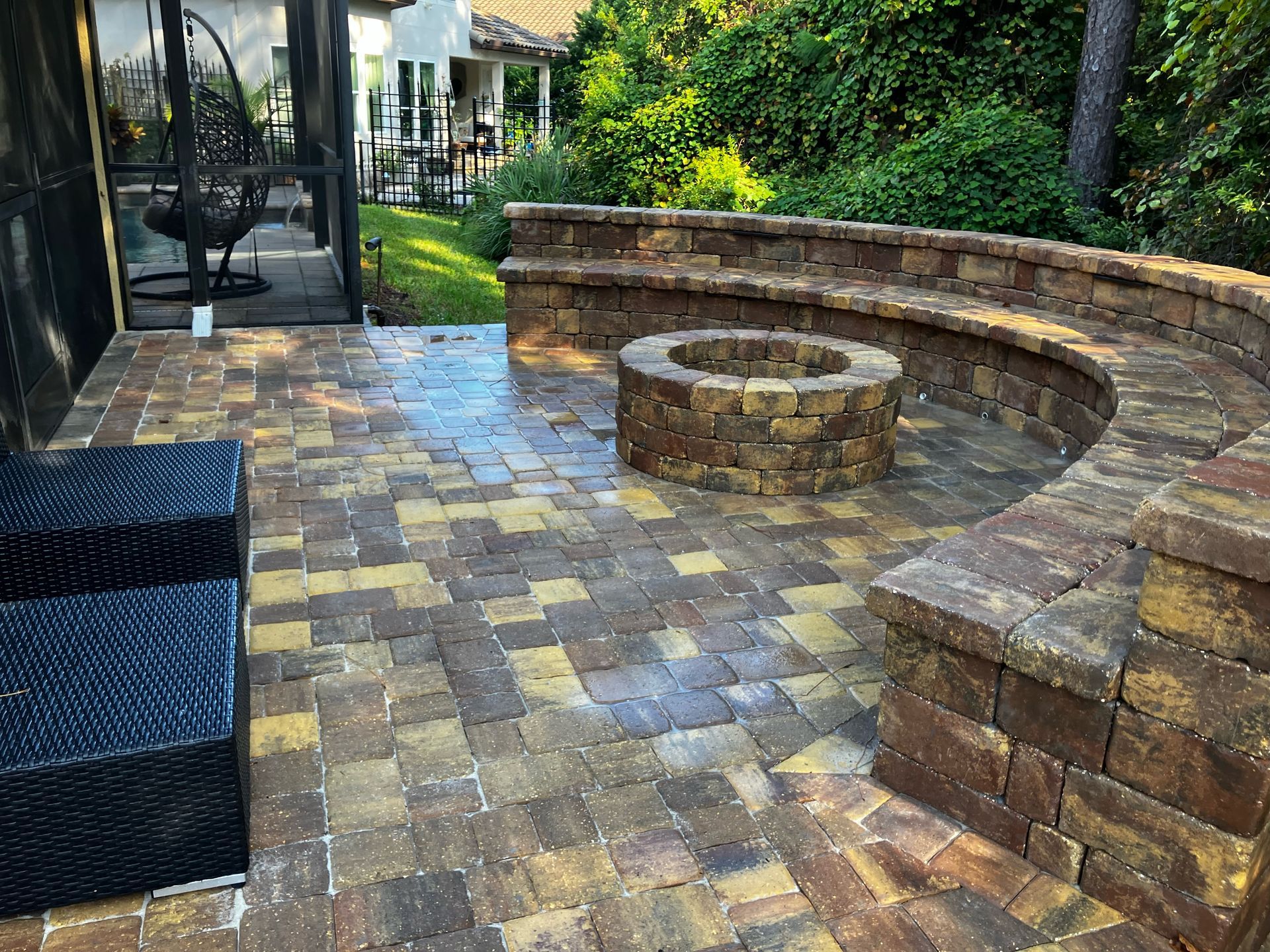
Florida's warm and humid climate creates the perfect conditions for algae, mildew, and dirt to build up on outdoor surfaces. If you look closely at your concrete patio, you might notice dark spots, green patches, or areas that look dull compared to the rest of the surface.
Cleaning your patio before the rainy season arrives is a simple but important step in preparing for summer storms. Sweeping away leaves and debris, rinsing the surface with water, and removing algae buildup helps restore the patio's appearance and keeps it safer to walk on. A freshly cleaned patio also allows sealers and protective coatings to bond properly with the surface.
Checking Your Concrete Driveway for Cracks Before Summer Storms Arrive
Your concrete driveway handles constant use throughout the year. Vehicles, foot traffic, heat from the sun, and seasonal weather all place stress on the surface. Before Florida's rainy season begins, it is important to carefully inspect the driveway for cracks that may have developed over time.
As water enters the openings and moves beneath the concrete, it can slowly weaken the foundation underneath the driveway. By checking for cracks early and addressing them before the rainy season begins, homeowners can help prevent minor surface issues from turning into larger repair projects.
The Importance of Sealing Your Concrete Driveway Before the Rainy Season
Just like patios, concrete driveways benefit greatly from a protective seal before the rainy season begins. Without this protective layer, moisture can slowly penetrate the surface and weaken the concrete over time. Repeated cycles of wet and dry conditions may eventually cause the surface to deteriorate.
Applying a quality sealer helps prevent water from soaking into the driveway while also protecting it from stains caused by vehicles, dirt, and debris. Taking this step before heavy rains begin can significantly extend the life of your driveway.
Repairing Small Cracks in Your Concrete Patio Before They Get Worse
Small cracks in a concrete patio may not seem like a serious issue at first. However, once the rainy season arrives, those tiny openings can allow water to enter the surface. Over time, moisture inside the cracks can cause them to expand and deepen, which may lead to more noticeable damage.
Repairing cracks early is one of the easiest ways to protect your patio from long-term problems. Filling these small gaps with appropriate repair materials helps block water from entering the surface. When addressed early, these simple repairs help maintain the strength of the patio while preserving its smooth and attractive appearance.
Preventing Water Pooling on Your Concrete Driveway During Storms
Standing water on a concrete driveway is more than just an inconvenience. When rainwater collects and remains in one place, it increases the risk of surface damage and can create slippery conditions. Over time, repeated pooling may slowly weaken the driveway and contribute to uneven areas forming.
Clearing away debris that blocks drainage, adjusting nearby soil levels, and ensuring downspouts direct water away from the driveway can all help improve water movement. Small adjustments like these can prevent long-term moisture problems.
Seasonal Maintenance Tips for Keeping Your Concrete Patio Looking Its Best
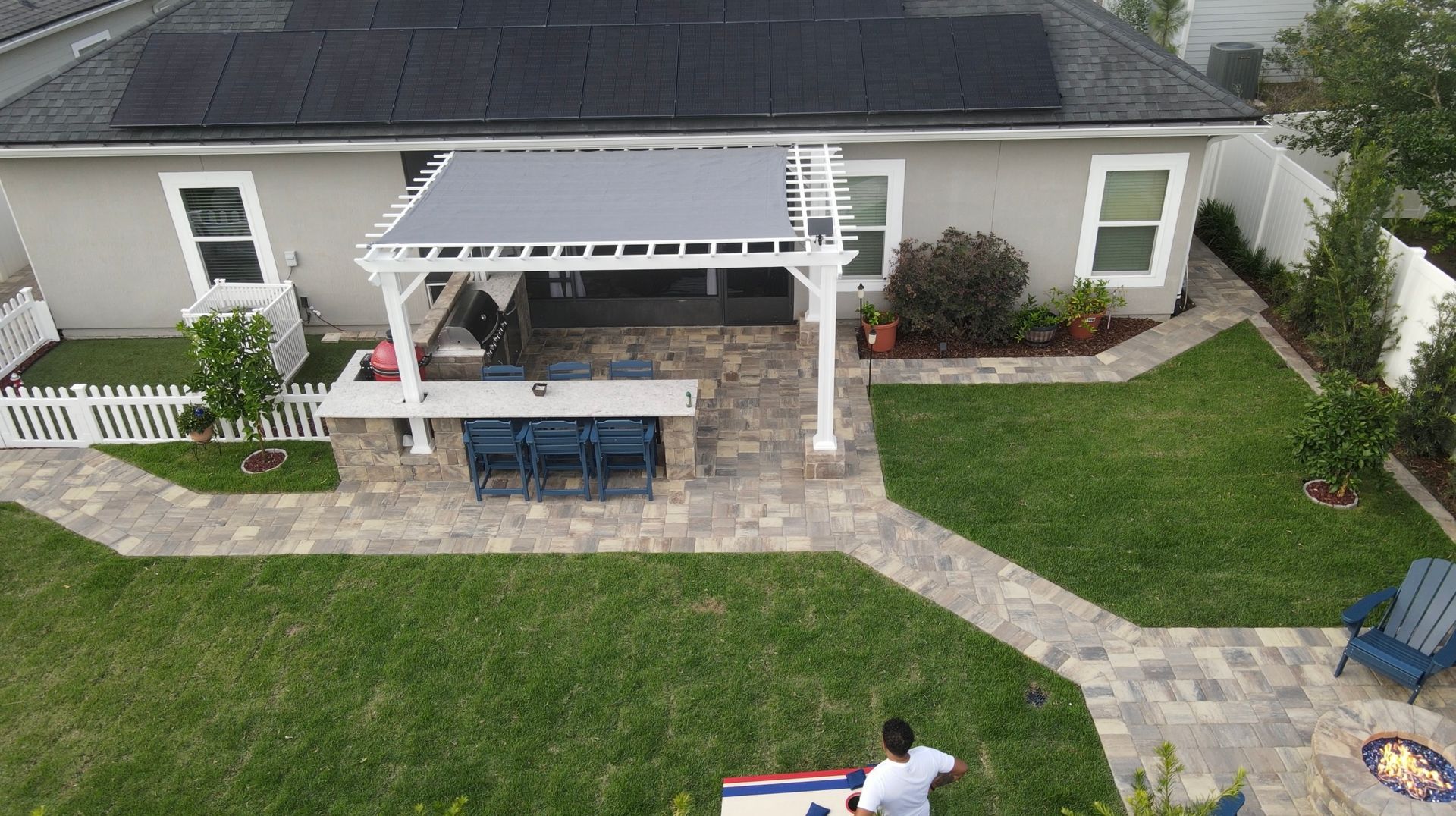
Keeping your concrete patio in good condition throughout the year requires consistent care. Seasonal maintenance helps prevent small problems from growing into larger repairs and keeps the patio looking inviting for family gatherings, outdoor meals, and relaxation.
Regular sweeping removes debris that can trap moisture against the surface. Rinsing the patio occasionally helps prevent dirt buildup, while checking for early signs of wear allows homeowners to address issues before they worsen. Reapplying sealer when needed also helps maintain a protective barrier against Florida's frequent rain and humidity.
Simple Steps Homeowners Can Take to Protect a Concrete Driveway From Storm Damage
Preparing your concrete driveway for Florida's rainy season does not have to be complicated. Taking time to inspect the surface, repair small cracks, improve drainage, and apply a protective sealer can make a significant difference in how well the driveway handles heavy rain.
If you would like professional help preparing your outdoor surfaces for the rainy season,
reach out to Outdoor Transformations and
call at (904) 896-6928. Proudly serves homeowners in St. Augustine, FL with expert concrete and outdoor improvement services. Schedule a consultation and get your outdoor surfaces ready before the next rainy season arrives.