
Is Paver Driveway Installation Worth It? Pros, Cons, and What You Should Know

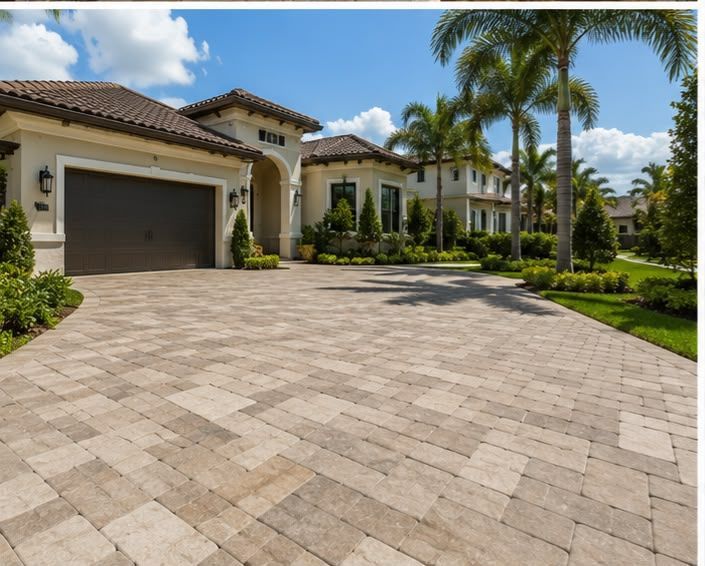
Are you thinking about upgrading your driveway? Imagine walking to your home and being greeted by a beautiful, durable paver driveway perfectly matching your style. It makes daily life easier, like hosting family gatherings or parking multiple cars without worry. Before starting your paver project, let’s talk about the benefits, costs, and what to consider.
Key Points to Keep in Mind
- Durability: Pavers can withstand heavy loads and harsh climates while maintaining their beauty.
- Drainage: Paver driveways support proper stormwater management, reducing erosion and pooling.
- Design Options: Choose from a variety of patterns, like the herringbone pattern, materials like limestone, travertine, or cobblestone, and colors to fit your home’s style.
- Cost: While the driveway paving cost may be higher upfront, the long-term value and low maintenance make it worth the investment.
What Are Paver Driveways?
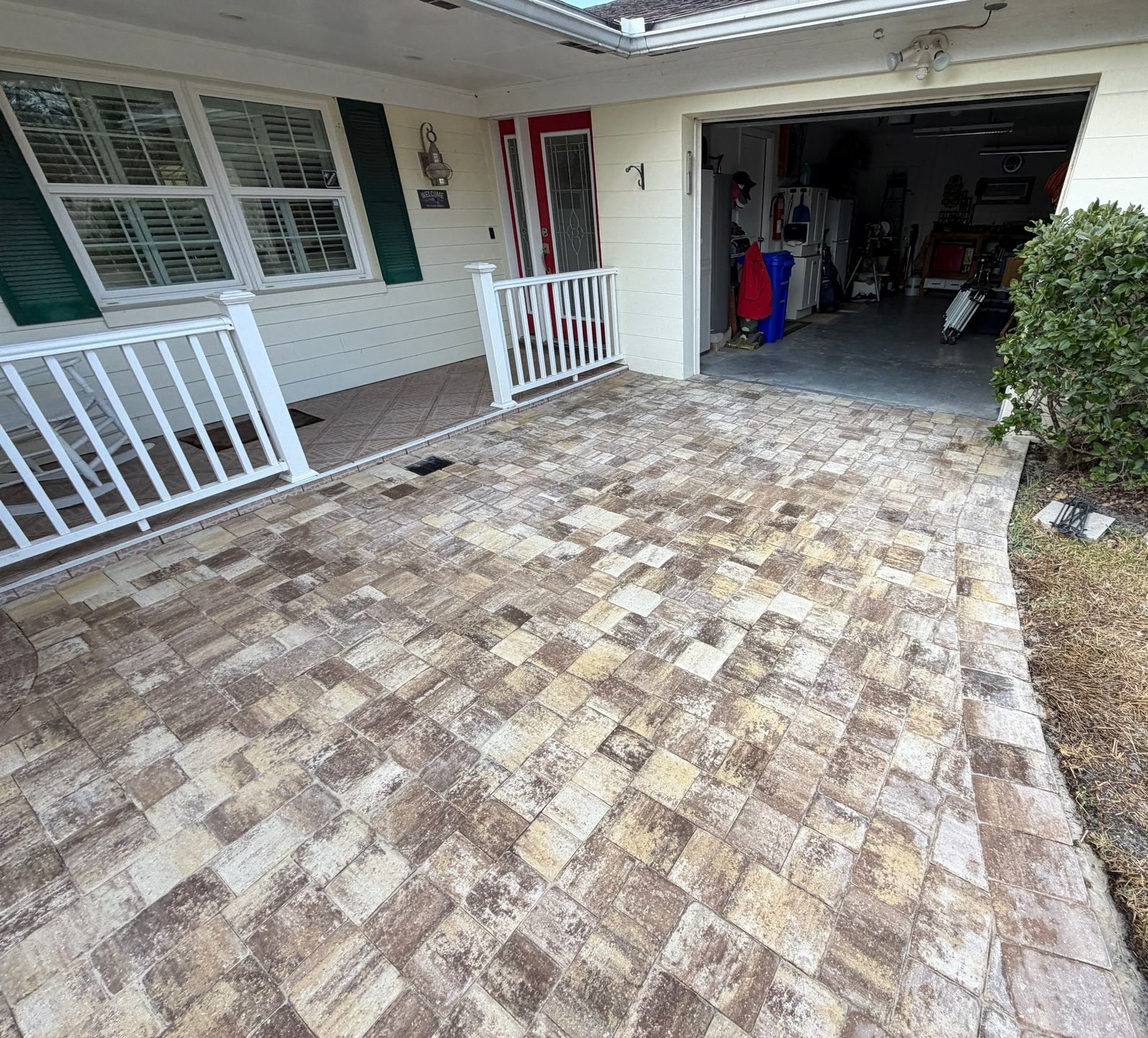
A paver driveway is built using individual stones or bricks arranged in patterns like interlocking designs. These stones can be made from materials like concrete, clay, or sandstone, providing a range of options to suit different landscape designs and budgets.
Popular paving stone driveway materials include:
- Concrete Pavers: Affordable and durable, suitable for any home improvement project.
- Brick Driveway Pavers: Offer a classic, timeless look with excellent compressive strength.
- Natural Stone Pavers: Options like bluestone, granite, and flagstone provide high-end appeal and durability.
How Paver Driveways Are Installed
Installing a driveway with pavers is a multi-step process that ensures a stable and attractive finish:
- Excavation: The existing soil is removed to prepare the area for the paver installation.
- Base Preparation: Layers of gravel, sand, and crushed stone are compacted to create a solid foundation that supports proper drainage.
- Laying the Pavers: Stones are carefully placed in the chosen pattern, whether it’s a classic herringbone pattern or a sleek modern layout.
- Compacting and Sanding: A masonry compactor secures the pavers, and sand is swept into the joints to lock them in place.
Advantages of Paver Driveways
1. Long-Lasting Durability
Pavers are built to last, making them a solid choice for residential driveway paving. Their compressive strength allows them to handle heavy vehicles without cracking, unlike concrete slabs or asphalt paving.
2. Enhanced Aesthetics
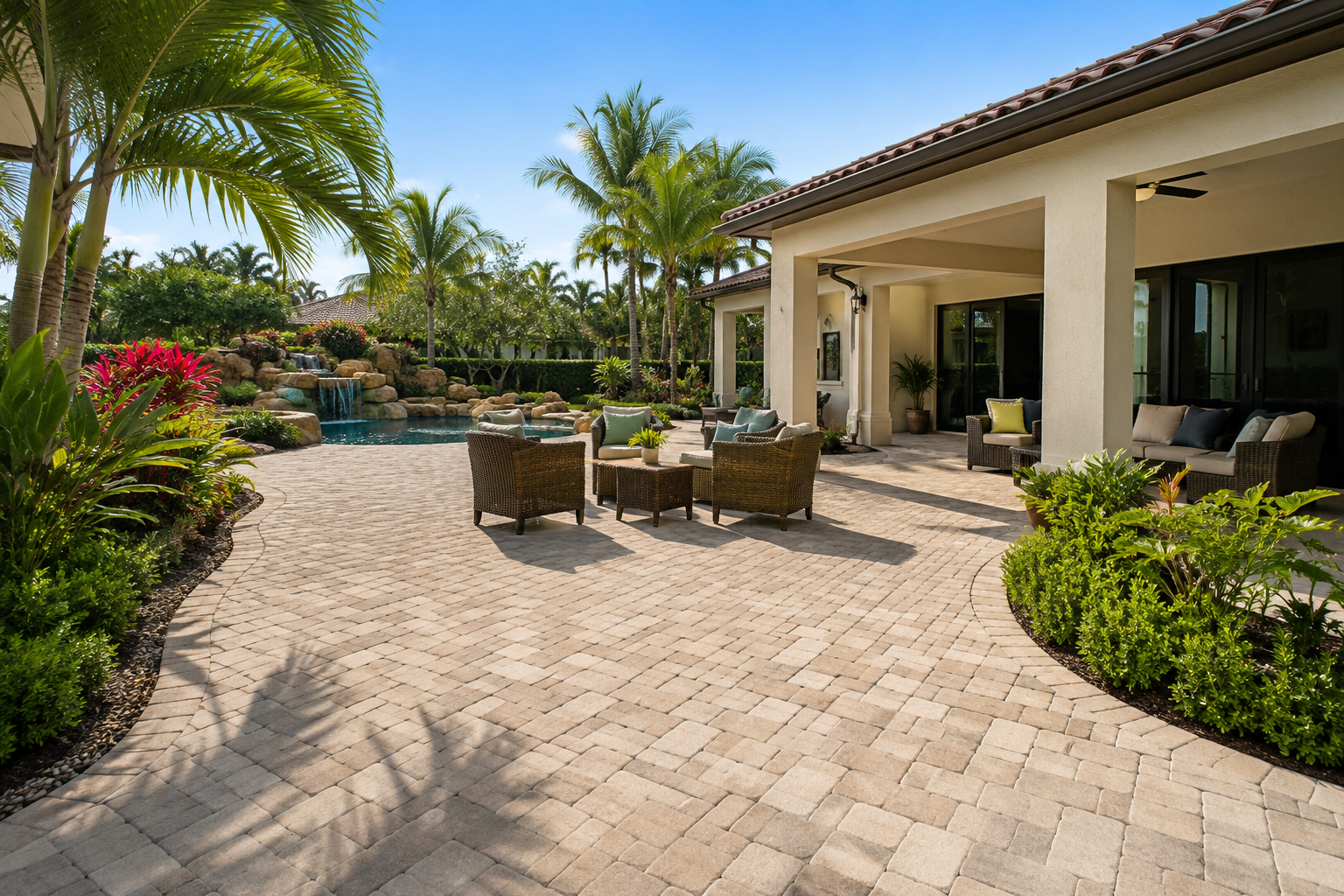
With materials like travertine, cobblestone, and porcelain, pavers offer a customizable look that complements any architecture. Whether you prefer a modern gray tone or the rustic charm of brick pavers, the options are endless.
3. Improved Drainage and Environmental Benefits
Paver driveways are permeable, allowing water to seep through the gaps, which reduces runoff and helps recharge the soil. This green building feature makes them more environmentally friendly than traditional asphalt paving.
4. Low Maintenance
Routine cleaning with a pressure washer and occasional sand refills keep your driveway looking great. If a paver is damaged, you can replace it without affecting the entire surface, saving on repair costs.
Potential Drawbacks
1. Higher Initial Costs
The driveway paving cost for pavers is higher than materials like asphalt paving. Expect to pay $10–$24 per square foot, depending on the material and design. However, this upfront cost is offset by long-term savings on maintenance and repairs.
2. Weed Growth and Maintenance
If not properly sealed, weeds can grow between the pavers, especially in humid areas like Miami or New York City. Regular maintenance, such as joint sand replacement, helps minimize this issue.
3. Installation Complexity
Installing a paver driveway is a precise process. For the best results, consider hiring local paving contractors or a residential driveway paving company.
Comparing Paver Driveways to Other Materials
| Feature | Pavers | Concrete Slabs | Asphalt Paving |
|---|---|---|---|
| Durability | Long-lasting, crack-resistant | Prone to cracks over time | Softens in heat, less durable |
| Design Options | Customizable in color and shape | Limited colors, plain finish | Basic black, limited styles |
| Cost | Higher upfront, better ROI | Lower upfront cost | Cheapest upfront |
| Environmental Impact | Permeable, eco-friendly | Non-permeable surface | Non-permeable surface |
The driveway paving cost for pavers is higher than materials like asphalt paving. Expect to pay $10–$24 per square foot, depending on the material and design. However, this upfront cost is offset by long-term savings on maintenance and repairs.
Cost Considerations for Paver Driveways
1. Initial Costs
The cost of a paving stone driveway depends on material, size, and design:
- Concrete Driveway Pavers: $10–$15 per square foot.
- Brick Driveway Pavers: $15–$20 per square foot.
- Natural Stone Pavers: $20–$30 per square foot.
2. Maintenance Costs
Routine cleaning, resealing, and occasional replacements keep costs manageable. Expect to pay $1–$3 per square foot for resealing every few years.
3. Long-Term Value
Despite higher initial costs, pavers offer better durability and curb appeal than other materials, making them a smart investment.
Tips for Choosing the Right Paver Driveway
- Select Durable Materials: For areas with extreme weather, like snow or rain, choose materials like granite or flagstone.
- Work with Professionals: Hiring experienced paving contractors ensures proper installation and minimizes future issues.
- Consider Permeability: Opt for permeable driveway pavers if drainage and erosion concerns your area.
Maintaining Your Paver Driveway
- Cleaning: Use a broom or a pressure washer to remove dirt and stains.
- Weed Prevention: Fill gaps with sand or use a sealant to block weed growth.
- Repairs: Replace individual pavers if damaged instead of resurfacing the entire driveway.
Conclusion
A paver driveway is an excellent choice for homeowners looking to enhance their landscape design and boost their home’s value. With a range of materials like brick, concrete, and natural stone, pavers offer customization, durability, and eco-friendly benefits. While the initial driveway paving cost might be higher, the long-term savings and aesthetic advantages make it a worthwhile investment.
For expert paver installation and free estimates, reach out to Outdoor Transformations in St. Augustine, Fl.