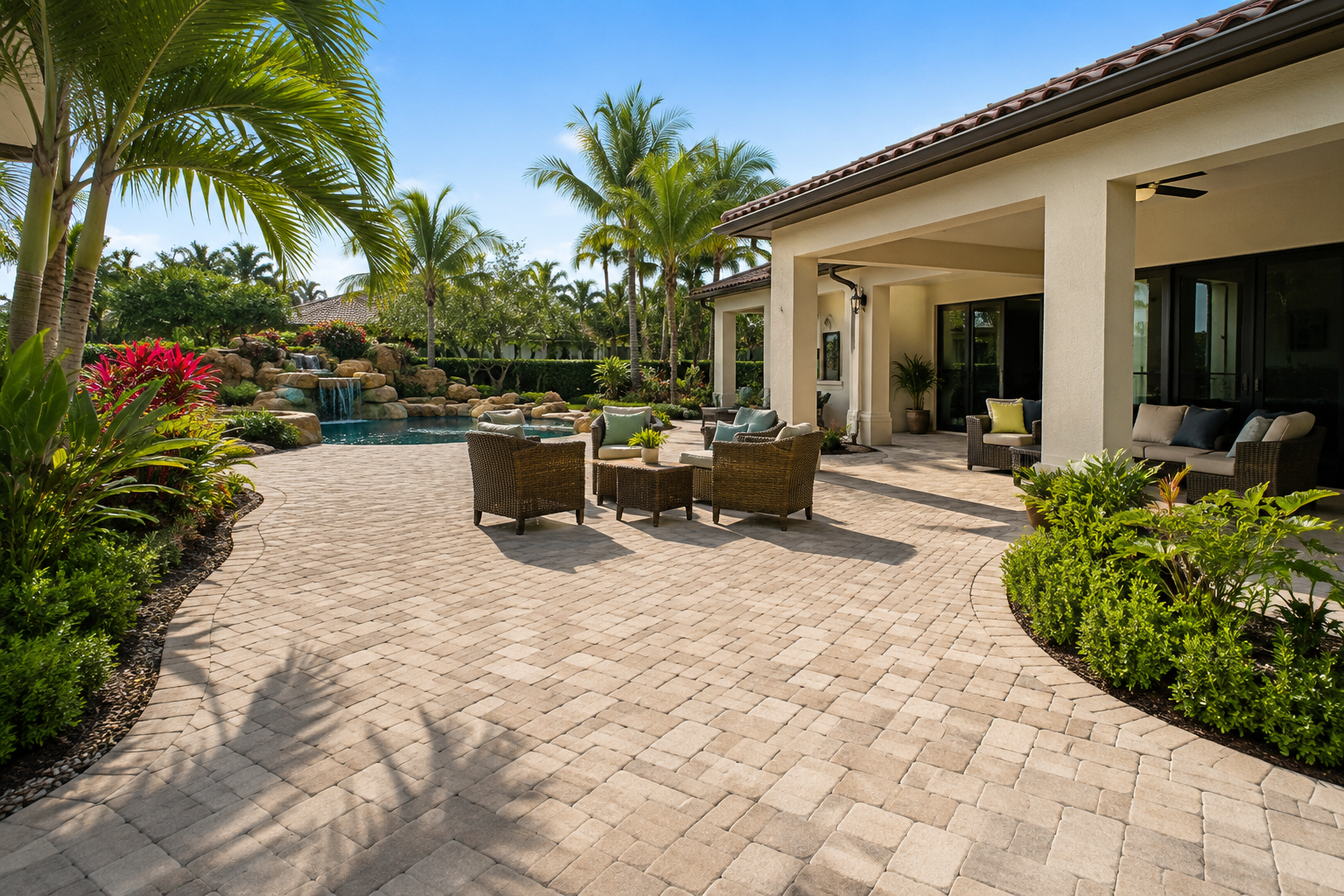

How Long Does a Paver Patio Installation Take?
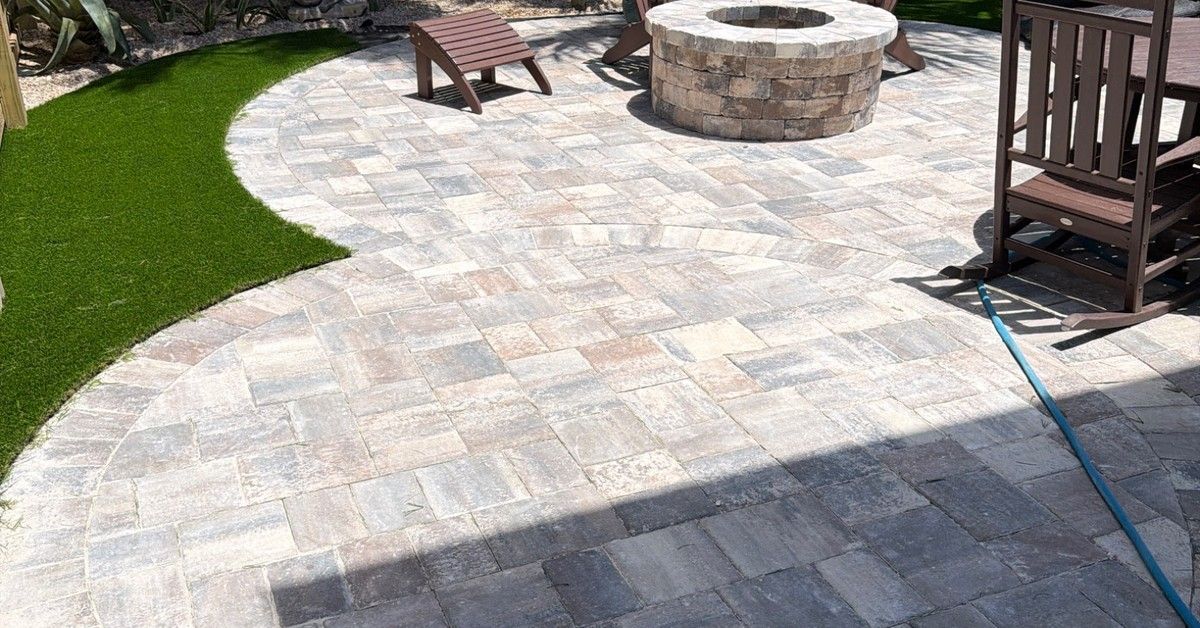
If you're planning a new patio, one of the first things you probably want to know is how long it's going to take. Will your backyard be torn up for weeks? Can you have it ready before the holidays or a family gathering?
The good news is that most paver patio installations move faster than people expect. Here's what the timeline usually looks like from the first conversation to the day you're sitting outside, and what can speed things up or slow them down for homeowners in St. Augustine, St. Johns, and across Northeast Florida.
The Short Answer
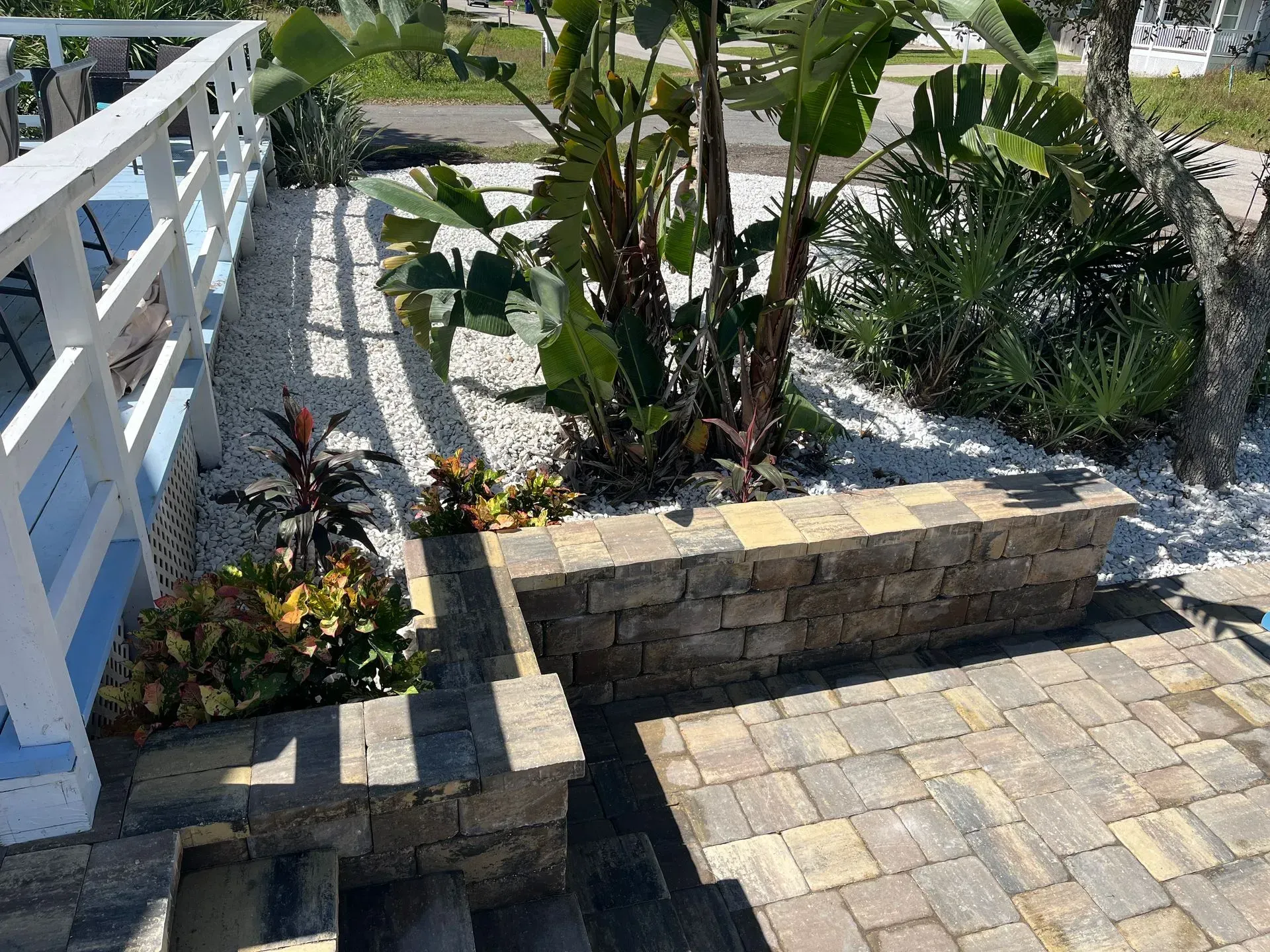
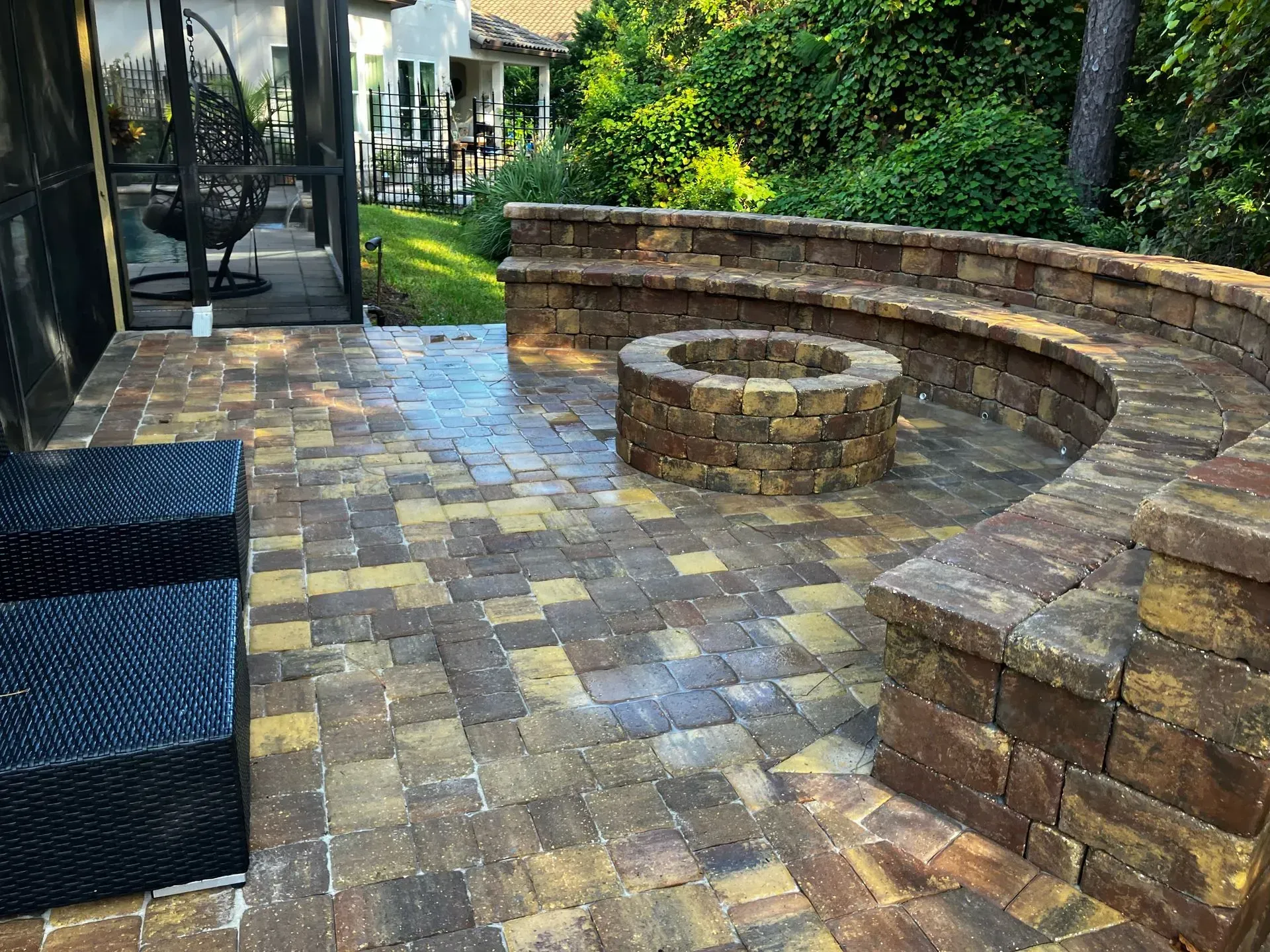
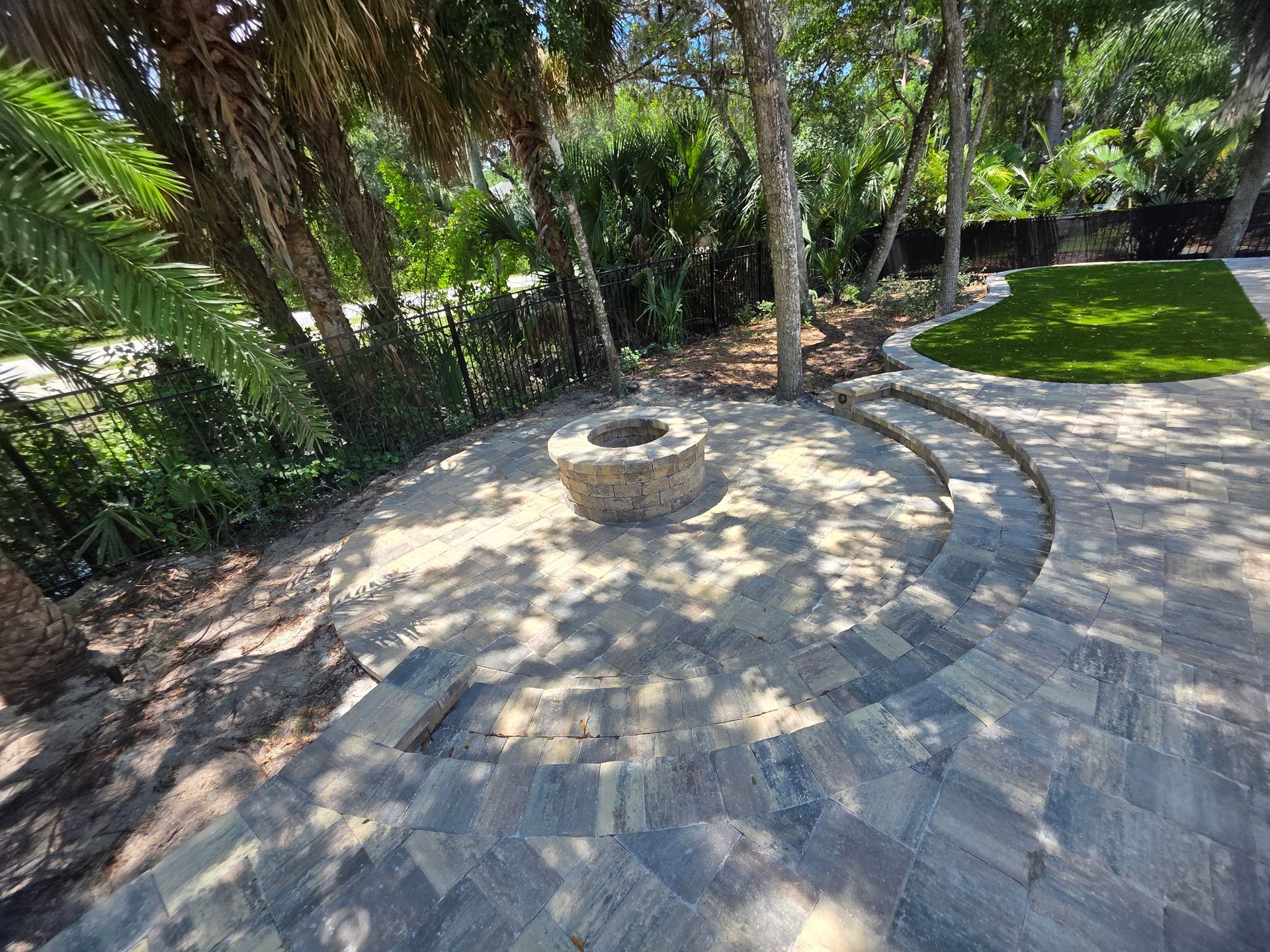
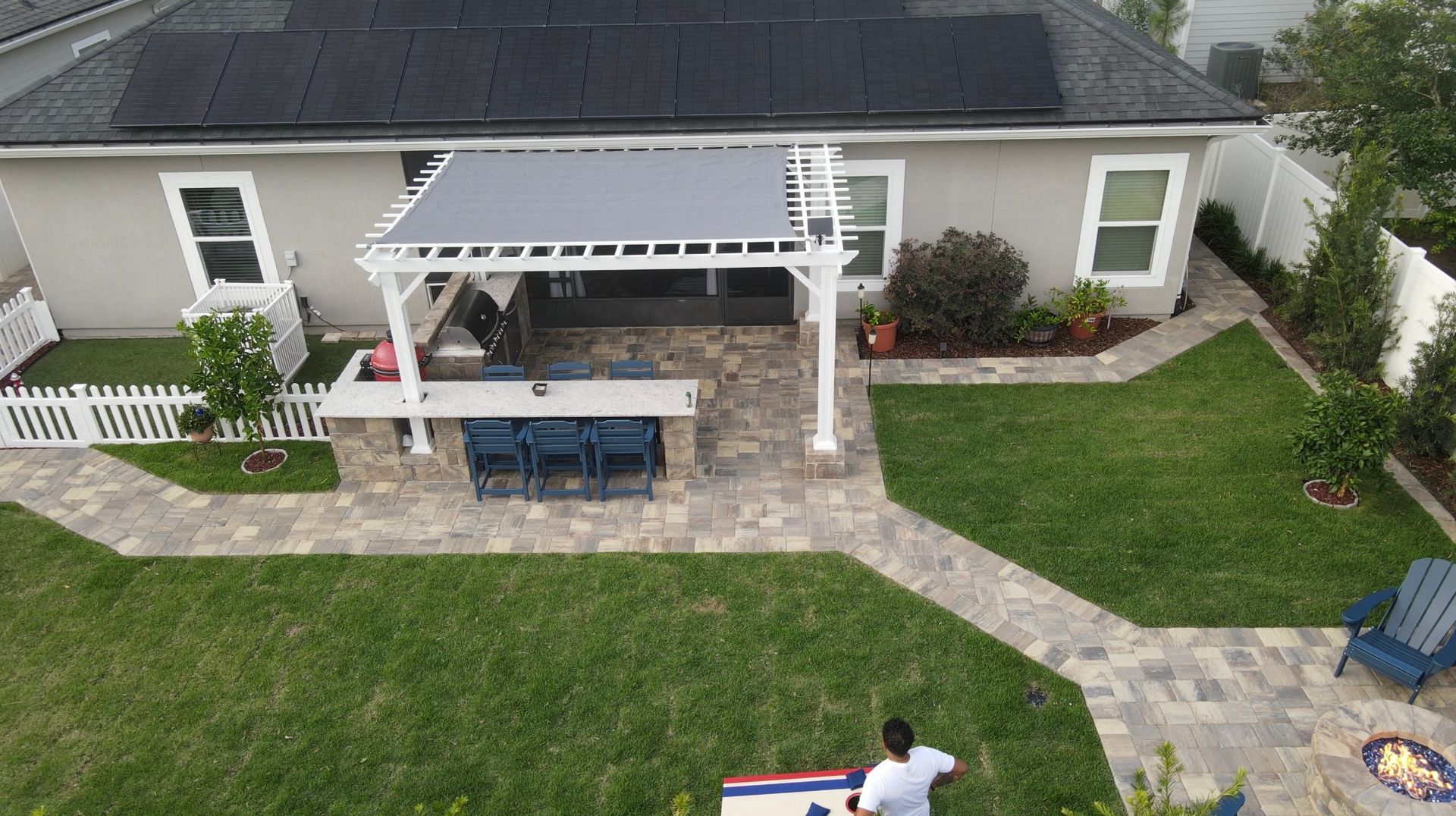
Once work begins, most standard residential paver patios take a matter of days, not weeks. Larger projects that add a retaining wall, fire pit, seat walls, artificial turf, or new landscaping take longer, because each of those features adds its own steps.
Keep in mind that the installation is only one part of the timeline. Planning, approvals, and scheduling happen before the crew ever arrives.
Step 1: Site Visit and Quote
Every project starts with a visit to your property. We look at the size of the area, the existing grade, how water drains, and whether anything needs to be removed first, like old concrete, sod, or plants. This step matters because it shapes both the cost and the timeline, which is why we don't quote a patio sight unseen.
If you're still in the early stages, our post on how much a paver patio costs in St. Augustine is a helpful place to start.
Step 2: Design and Material Selection
Next, you'll choose the layout, paver style, color, and pattern. Some homeowners know exactly what they want. Others like to see a few options first. Our design services can help you plan the patio along with any extras, like a fire pit, seating wall, or walkway, so everything fits together.
The faster the decisions are made here, the faster your project can get on the schedule.
Step 3: HOA Approval (If Needed)
Many neighborhoods in St. Johns County and Jacksonville require HOA approval before any hardscape work begins. Approval times vary from one HOA to another, so it's smart to submit your plans as early as possible. This is often the step that adds the most waiting time, even though it has nothing to do with construction.
Step 4: Installation
Once everything is approved and scheduled, the crew arrives and the real work begins. A typical paver patio installation follows these steps:
- Site prep and excavation: Removing sod, old concrete, or other materials and digging to the proper depth.
- Base layer: A compacted base of crushed limestone or similar aggregate, which does the real structural work.
- Bedding sand: A smooth layer that the pavers sit on.
- Laying the pavers: Setting the pavers in your chosen pattern and cutting them to fit the edges.
- Compaction and joint sand: Compacting the pavers into place and sweeping polymeric sand into the joints to lock them together and resist weeds.
- Edge restraints: Installing edging that keeps the whole patio from shifting over time.
For one St. Augustine project, for example, the work started with clearing the existing sod and prepping the yard along the back of the home's screened lanai before the pavers and wall block went in.
Step 5: Ready to Use
Here's one of the biggest advantages of pavers: there's no long curing period. Unlike a concrete slab, which needs time to cure before it can handle heavy use, pavers are ready to walk on almost immediately after they're compacted. Learn more in our comparison of pavers vs. concrete.
Many homeowners also choose to seal their pavers to protect them from fading and help the joint sand hold up in heavy rain. Our pressure washing and sealing service can take care of that when the time is right.
What Can Affect Your Timeline?
Every project is different. These are the most common things that can make a patio take longer:
- Rain: Heavy summer storms can pause excavation and base work. Read our tips on preparing your patio and driveway for Florida's rainy season.
- Project size: A larger patio simply takes more time to excavate, base, and lay.
- Extra features: Fire pits, retaining walls, steps, turf, and landscaping each add steps.
- Site conditions: Removing old concrete or correcting drainage adds prep time.
- Complex patterns: Curves and detailed patterns take more cutting and fitting than a simple layout.
- HOA approval: Waiting on approval can add time before work begins.
How to Keep Your Project on Schedule
A few simple steps can help your patio come together faster:
- Request your quote early, especially if you want the patio ready by a certain date.
- Submit HOA paperwork as soon as your design is final.
- Make your paver and color choices before the project is scheduled.
- Plan extras like a fire pit or lighting at the same time, so everything is built in one project instead of several.
Start Planning Your Paver Patio
Outdoor Transformations is a veteran-owned paving and outdoor living contractor serving St. Augustine, St. Johns, Jacksonville, Ponte Vedra Beach, and the rest of Northeast Florida. We offer 0% financing on qualifying projects. Call (904) 896-6928 or request a complimentary quote to get a timeline for your project.