
What You Need to Know Before Installing Artificial Grass: Ground Preparation Tips
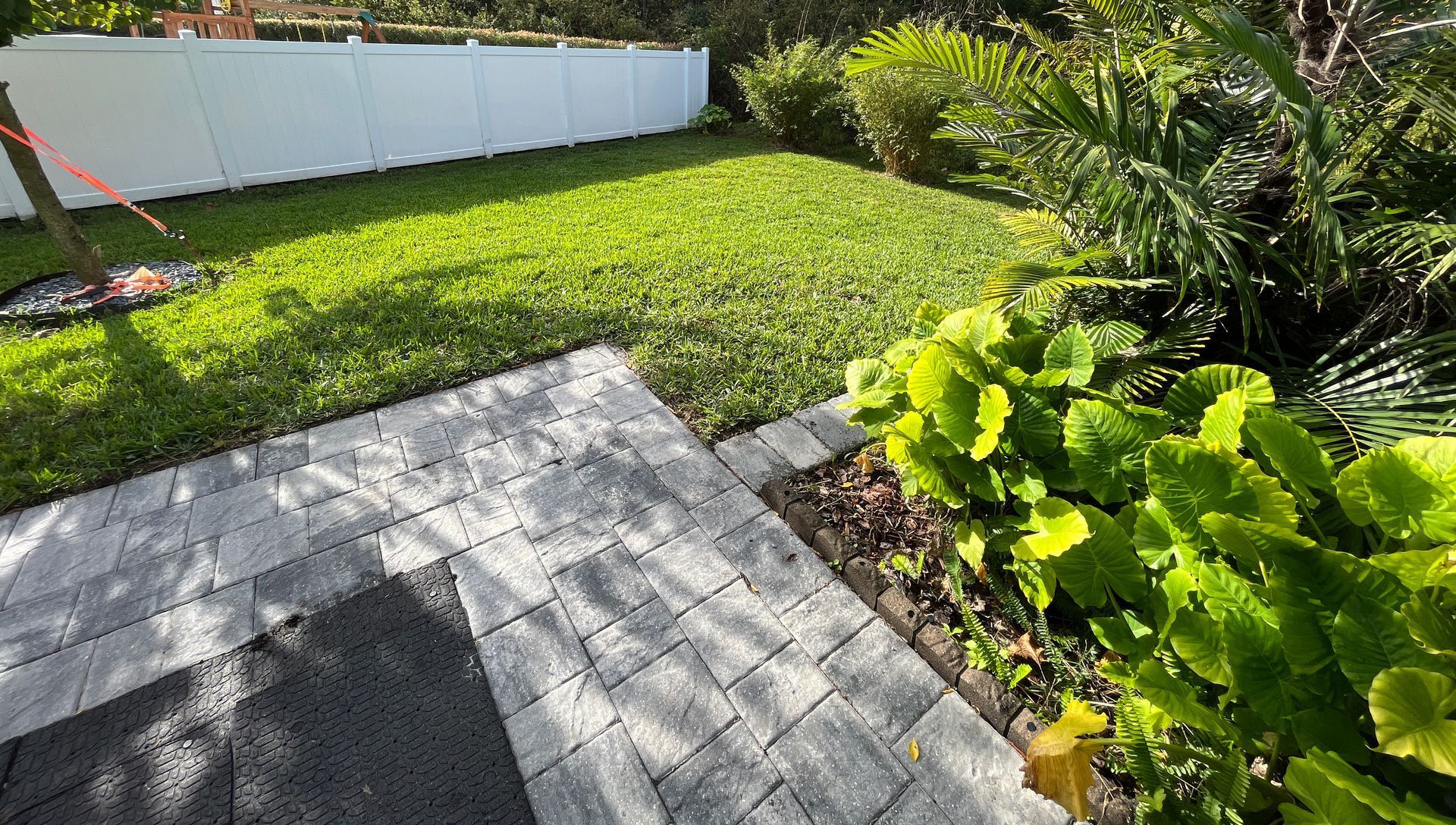
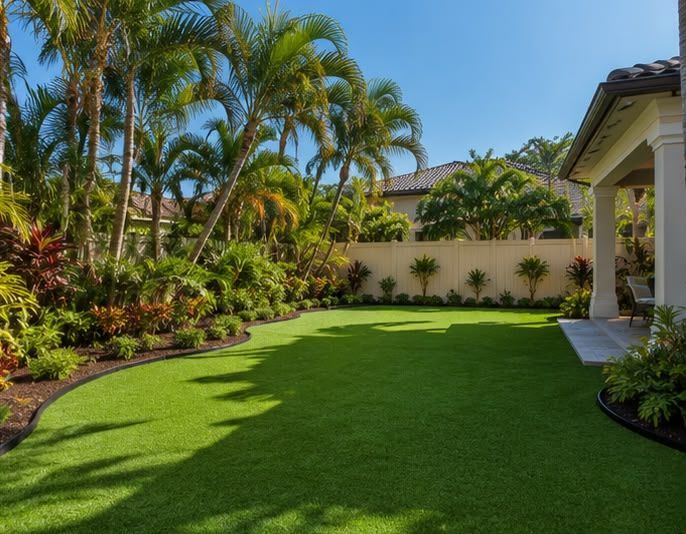
Artificial grass has quickly become a popular solution for homeowners looking to create a beautiful, low-maintenance lawn. In fact, the demand for artificial turf has surged in recent years, with more and more people in areas like Florida turning to artificial grass installation for their yards and landscaping projects.
Whether it’s for your home, office, or patio, artificial turf can provide a lush, green space without the hassle of mowing, watering, or using harmful chemicals like herbicide and fertilizer. However, before jumping into turf installation, it’s important to understand the essential groundwork involved to ensure that your artificial lawn stays beautiful for years to come.
This guide will help you understand the importance of ground preparation for artificial turf and give you step-by-step instructions on how to get your yard or landscape ready for artificial grass installation.
The Benefits of Artificial Grass
Before jumping into installing artificial grass, it’s important to know why it's such a great option for your yard or outdoor space. More and more people are choosing artificial turf for their landscaping projects, and here’s why:
1. Low Maintenance
One of the biggest perks of artificial grass is how little maintenance it needs. Unlike traditional sod, you won’t need to worry about mowing, watering, or using fertilizer. With artificial turf, your lawn will stay green and fresh all year round with just a little care. This means no more high water bills, lawn care services, or buying fertilizers, which leads to big savings in the long run. It's a great return on investment when you consider all the time and money you’ll save!
2. Durability and Long Life Expectancy
Artificial turf is built to last, handling everything from heavy foot traffic to bad weather. When installed correctly with proper ground preparation, artificial grass can last anywhere from 15 to 25 years, which makes it a smart, long-term choice. Whether it's installed on a roof, patio, or concrete surface, artificial grass is durable enough to withstand all conditions. You won’t have to worry about the weather ruining your beautiful lawn.
3. Environmentally Friendly
With the growing concern over water usage, artificial grass offers an eco-friendly alternative. There’s no need for irrigation systems, so you’ll save water and help reduce waste. Plus, many artificial turf companies use sustainable materials like polypropylene and polyethylene, which helps reduce the carbon footprint. By choosing artificial grass, you’re contributing to a greener planet!
4. Pet and Family-Friendly
If you have pets or kids, artificial grass is a fantastic choice. Pet turf installation provides a clean, safe area for your pets to play without creating mud puddles or bare patches in your yard. It’s durable and resistant to wear and tear, so your pets can dig and run around without leaving any damage behind. Plus, it's easy to clean and doesn't trap unpleasant odors like natural grass does, making it a perfect surface for families and pet owners.
Artificial grass is a solid choice for anyone looking for a beautiful, low-maintenance lawn that works for pets, kids, and the environment!
Popular Uses for Artificial Grass
Artificial grass isn’t just for traditional lawns. It’s used in various applications due to its versatility and durability:
Landscaping and Hardscaping
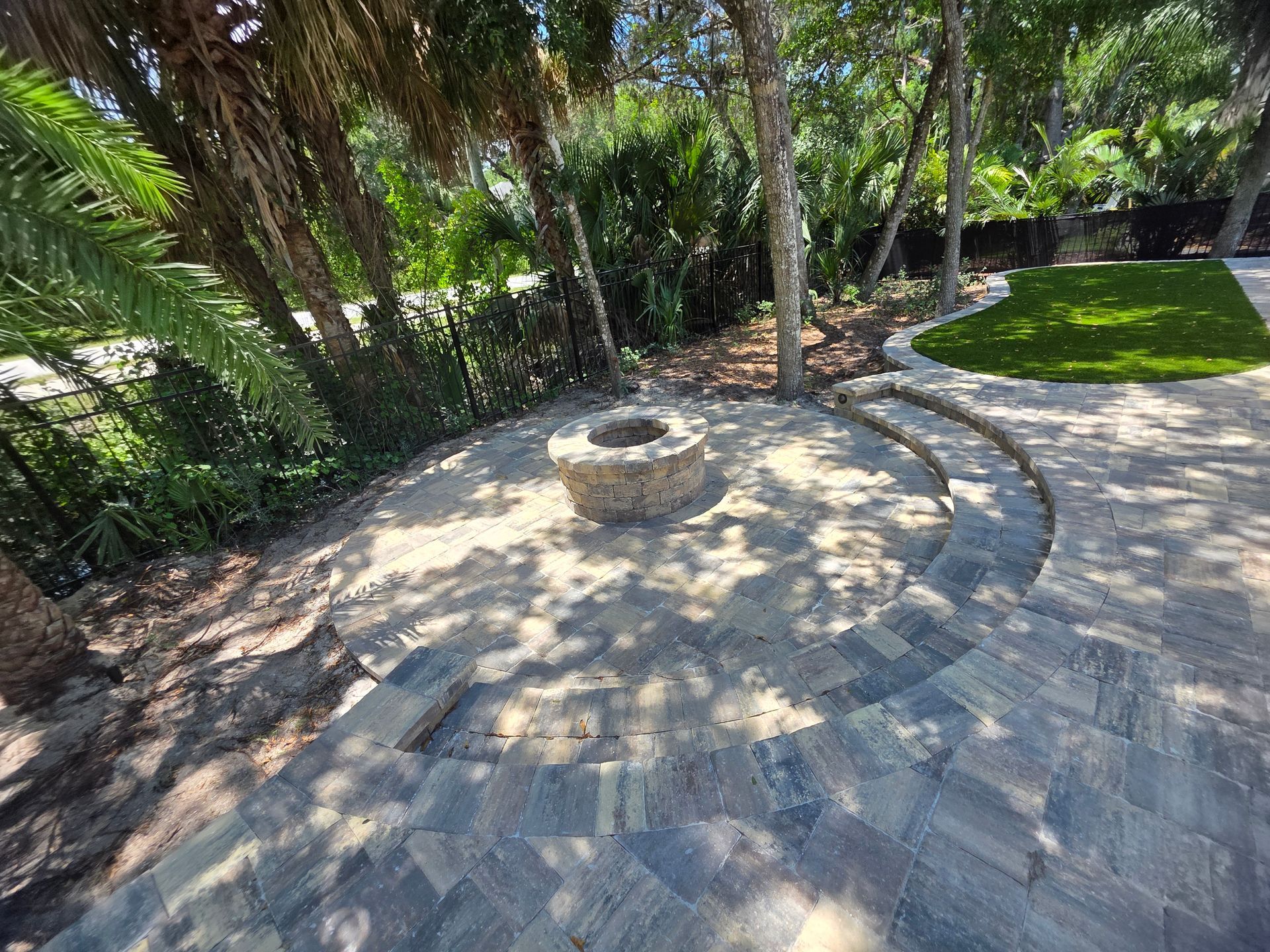
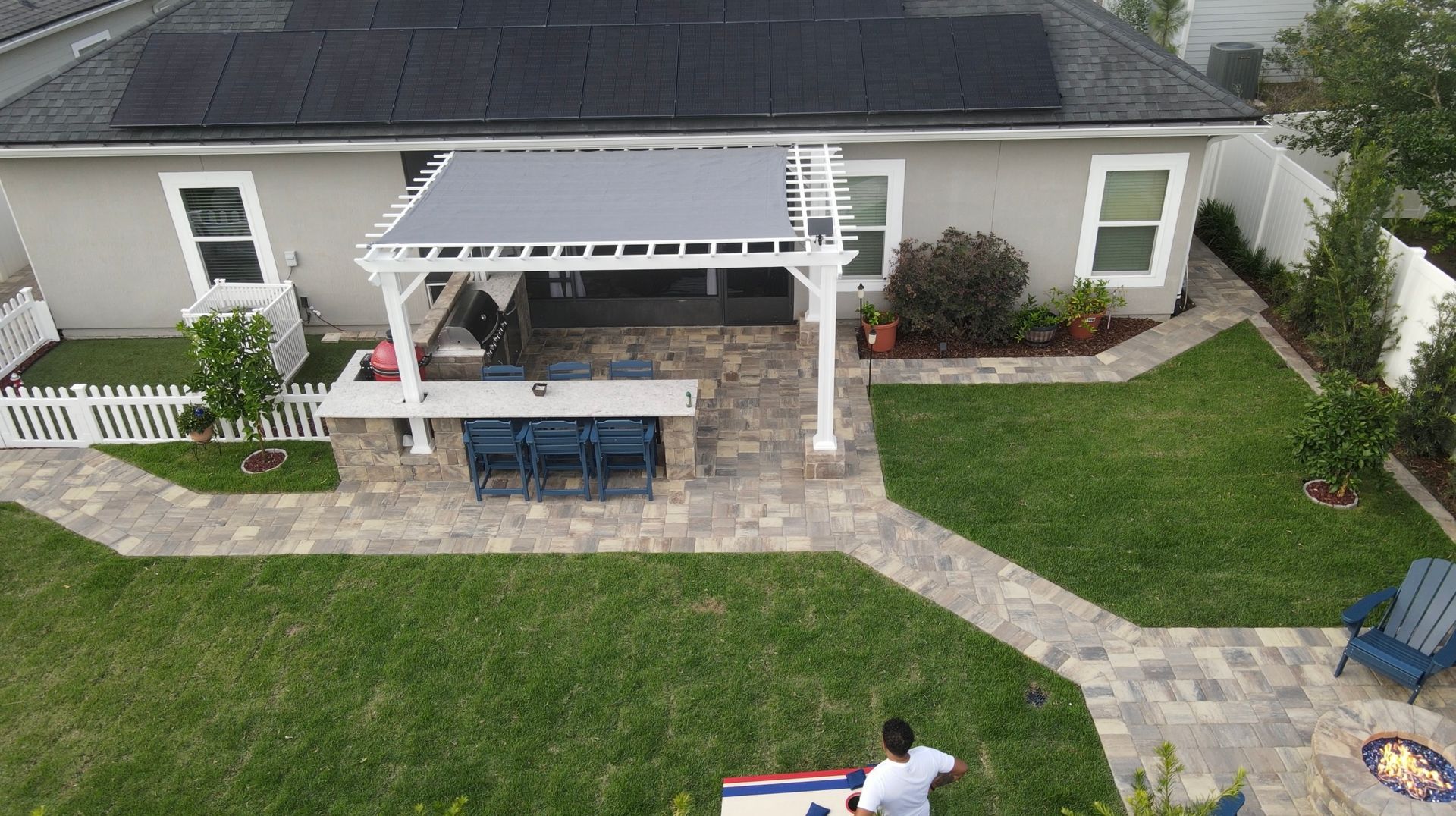
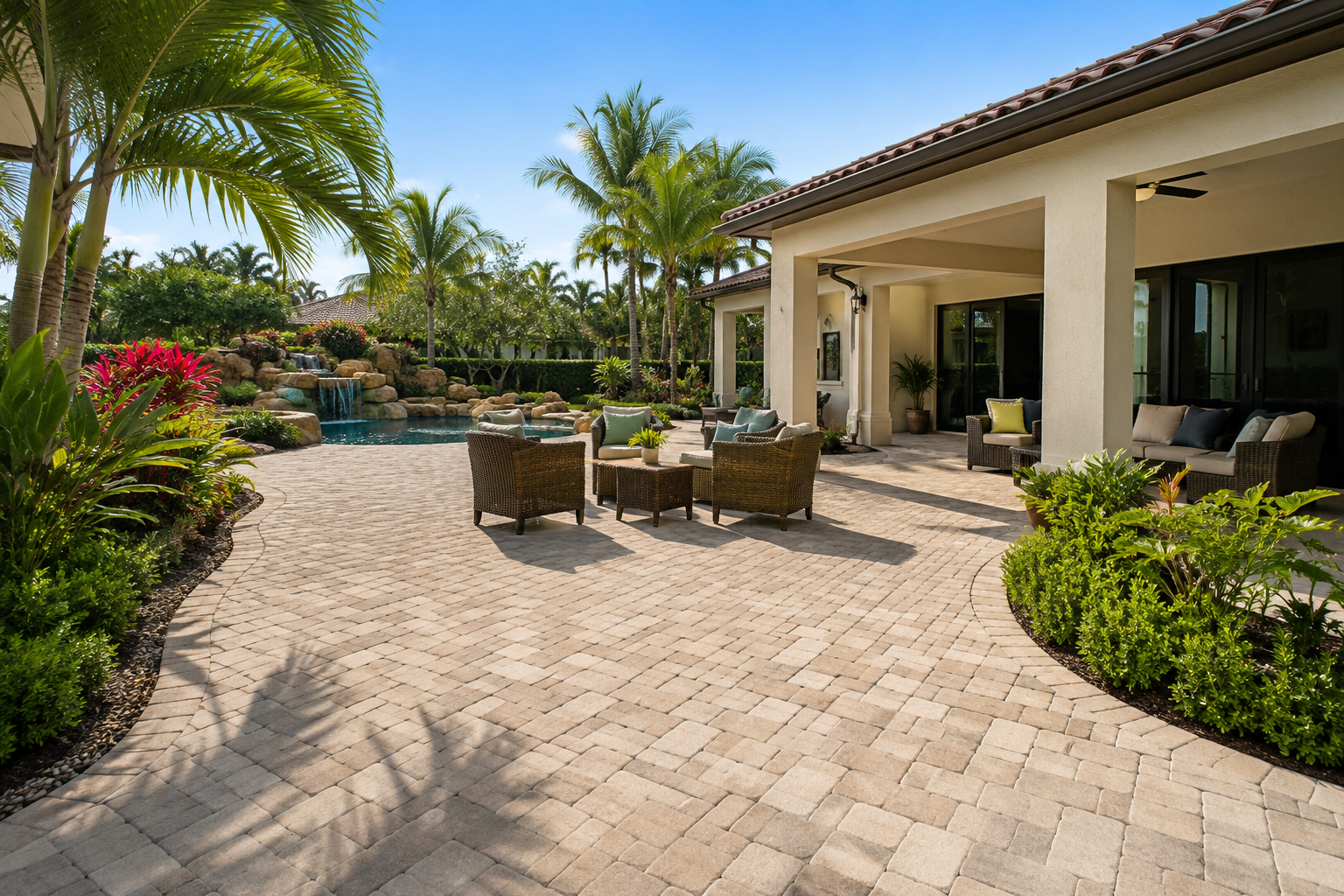
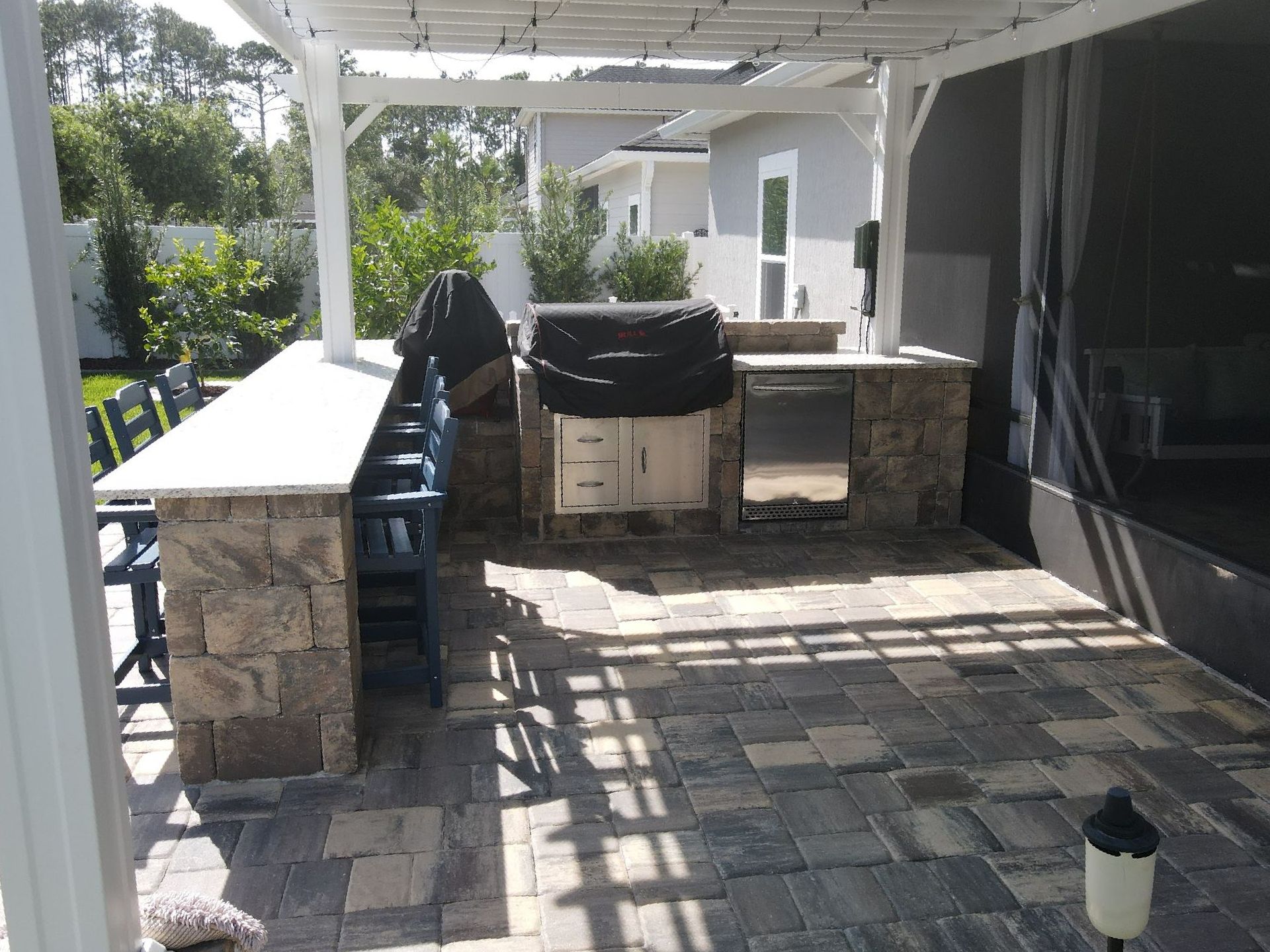
Artificial grass can be used to enhance your landscape design by covering areas like patios, retaining walls, or gravel pathways. It pairs well with hardscape elements like pavers, mulch, and decks, creating a cohesive outdoor living space.
Roof Gardens and Patios
If you have a rooftop or patio area that you’d like to transform into a green oasis, artificial turf installation can be a fantastic option. It’s a lightweight and low-maintenance alternative to sod and is perfect for enhancing the aesthetics of small spaces.
Sports Fields and Playgrounds
Whether for a soccer field, playground, or commercial space, artificial grass offers durability and excellent performance. It handles high foot traffic and provides a safe, cushioned surface for sports and recreational activities.
Pet-Friendly Yards
Artificial turf is a favorite for pet owners looking for a solution to muddy or worn-out lawns. Pet turf installation is becoming increasingly popular as it offers a durable and easy-to-clean surface for dogs and other pets to enjoy.
Steps for Preparing Your Ground for Artificial Grass Installation
Now that you know the benefits and uses of artificial grass, let's dive into the essential steps for preparing your ground properly.
1. Clear the Area
Start by removing all debris, including rocks, leaves, existing sod, and any other obstacles from the area where you plan to install the artificial grass. Use a shovel, rake, or broom to clean the area thoroughly. This step is important to ensure a smooth, even surface for the turf. If you’re replacing an old lawn, you may need to dig up the existing sod or use a sod cutter to remove it.
2. Test the Soil
A soil test is important to understand the quality of the existing soil and identify any issues with drainage. If the soil is compacted or doesn't drain well, it will affect the performance of the artificial grass. In such cases, you may need to adjust the soil by adding topsoil, decomposed granite, or crushed stone to create a proper foundation for the turf.
3. Excavate the Soil
After testing and cleaning the area, it’s time to excavate the soil. Dig down to a depth of about 2-3 inches to create space for the base material. If you're installing the turf on concrete or a hardscape surface, this step may not be necessary. Excavating the soil ensures that you have enough room to install a stable base layer for drainage and support.
4. Compact the Soil
Once the soil is excavated, use a compactor or roller to compact the soil. This will create a solid foundation and prevent the artificial grass from shifting or settling unevenly over time. Compacting the soil ensures that it’s stable and reduces the risk of future issues with your turf installation.
5. Lay the Base Material
Next, you’ll need to spread a 2-4 inch layer of base material, such as decomposed granite, crushed stone, or gravel, over the soil. This layer is crucial for proper drainage and provides a stable foundation for the artificial grass. Spread the material evenly using a rake, and then compact it with the compactor.
6. Install a Weed Barrier
Install a weed barrier fabric over the compacted base layer to prevent weeds from growing through the artificial grass. Secure the fabric along the perimeter using landscape pins or adhesive. This step helps keep your lawn looking pristine and eliminates the need for ongoing maintenance.
7. Roll Out the Artificial Grass
Now that the base is ready, it's time to roll out the artificial grass. Make sure the turf is aligned with the perimeter of your yard, and trim the edges to fit. Use a tape measure to ensure accurate placement and alignment. The grass should be laid with the fibers facing in the same direction for a uniform look.
8. Secure the Turf
Use landscape staples, nails, or adhesive to secure the artificial grass to the ground. Place them around the perimeter and along seams to ensure the turf stays in place. Be sure to apply enough pressure to secure the turf without damaging the fibers.
9. Add Infill
To finish the installation, spread an infill material like sand, rubber, or silica over the surface of the artificial grass. This helps the fibers stand upright and provides additional weight to keep the turf in place. Use a broom or brush to distribute the infill evenly.
Conclusion
Artificial grass is an excellent option for homeowners and businesses looking to enhance their landscape with a low-maintenance, beautiful, and durable solution. By following the proper ground preparation steps, you’ll ensure that your turf installation is successful and long-lasting. Whether you’re looking to save on lawn care expenses, create a pet-friendly yard, or install artificial grass on your roof or patio, taking the time to prepare the ground correctly will make all the difference.
If you’re ready to make the switch to a gorgeous artificial lawn and need help with installation, our team at Outdoor Transformations in St. Augustine, FL, is here to assist. We specialize in artificial grass installations and offer professional, reliable services to help you transform your space into something truly special. For a free estimate or more information about our artificial turf installation services!